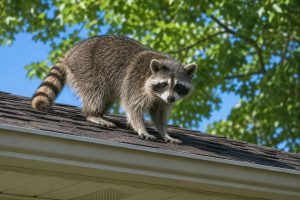
Raccoons are one of the most common wildlife animals found inside homes across Ontario. In areas like Niagara Falls, St. Catharines, and Welland, raccoons frequently enter attics, soffits, chimneys, and roof vents searching for shelter and warmth.
Many homeowners assume wildlife removal simply involves trapping the animal and relocating it somewhere else. In Ontario, however, raccoon removal is regulated under provincial laws designed to protect both wildlife and the public. Humane treatment is a major focus, and there are specific rules surrounding trapping, relocation, and exclusion work.
Understanding these laws is important for homeowners dealing with raccoons on their property. It also explains why professional wildlife removal companies follow certain procedures when handling raccoon problems.
Ontario’s Fish and Wildlife Conservation Act
Raccoon removal in Ontario falls under the Fish and Wildlife Conservation Act (FWCA). This legislation outlines how wildlife can legally be handled, trapped, and relocated within the province. The goal of these regulations is to reduce unnecessary harm to wildlife while also addressing conflicts between animals and homeowners.
Ontario law allows property owners to remove wildlife that is damaging their property, but the process must still follow provincial regulations. This means that humane practices are not optional. Wildlife removal companies and homeowners alike are expected to follow rules designed to minimize suffering and prevent unsafe handling.
The 1 Kilometre Relocation Rule
One of the most important wildlife laws in Ontario involves relocation distance. Under Ontario regulations, raccoons and other nuisance wildlife cannot legally be relocated more than 1 kilometre from where they were captured unless specific authorization is granted. Many homeowners are surprised by this rule because older wildlife removal practices often involved transporting animals far away into rural areas.
Ontario changed this approach because relocating animals long distances was found to be ineffective and harmful. Relocated raccoons often struggled to survive in unfamiliar territory, spread disease to other wildlife populations, or attempted to return to their original den site. The current regulations focus on resolving the problem at the property itself rather than simply moving the animal elsewhere.
Why Trapping Alone Does Not Solve the Problem
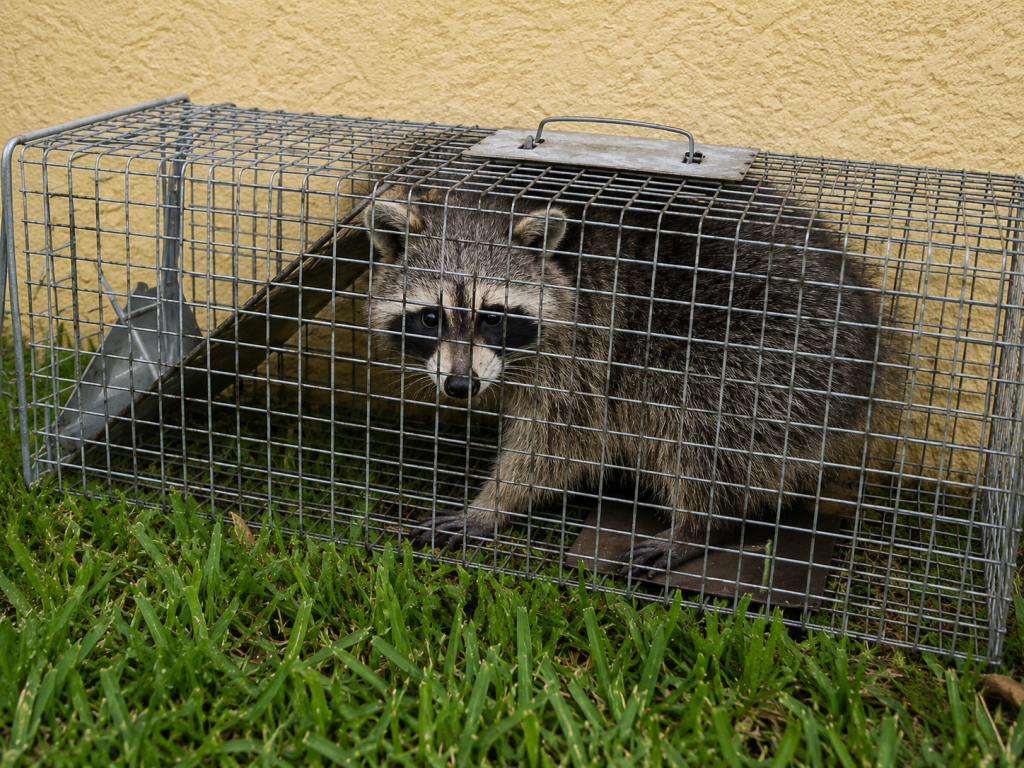
A major misconception about raccoon removal is that trapping automatically solves the issue. In reality, trapping without proper exclusion work usually leads to repeat infestations. If the entry point into the attic or roofline remains open, another raccoon will often move in shortly afterward.
Ontario wildlife guidelines increasingly emphasize humane exclusion rather than simple trapping and relocation. This is why professional wildlife removal companies focus heavily on identifying entry points and permanently sealing them after removal.
Humane Exclusion Methods
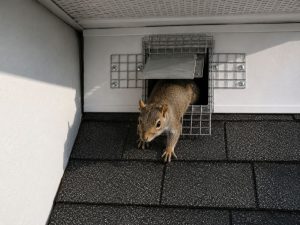
Humane exclusion is considered the preferred method for raccoon removal in Ontario. This process involves allowing the raccoon to leave safely while preventing it from getting back inside. One-way doors are commonly used for this purpose. The animal exits through the device but cannot re-enter the attic or roof space.
Humane exclusion avoids many of the issues associated with trapping, including injury, stress, and separation of mothers from their young. Once the raccoon has left, the entry point is sealed using durable wildlife-proof materials.
Special Considerations During Baby Season
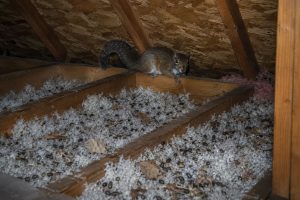
Spring is one of the most sensitive times for raccoon removal in Ontario. Female raccoons usually give birth between March and May, with babies remaining dependent on their mother for several weeks. During this time, extra precautions must be taken during removal work. If a mother raccoon is trapped or excluded without checking for babies, the young may be left behind inside the attic. This creates serious welfare concerns and can also lead to odours, contamination, and additional problems for the homeowner.
Ontario regulations and wildlife best practices stress the importance of inspecting for babies before sealing entry points. Professional wildlife technicians carefully remove babies by hand and reunite them with the mother outside the home whenever possible.
Why DIY Wildlife Removal Can Be Risky
Many homeowners attempt to handle raccoon problems themselves, but this can create legal, safety, and wildlife welfare concerns. Raccoons are strong and defensive animals. If cornered or trapped improperly, they may scratch or bite. They can also carry diseases and parasites that pose health risks to humans and pets.
Improper trapping may also violate Ontario wildlife regulations if relocation rules are not followed. In addition, DIY removal often fails to address the real issue. Without proper exclusion work, the raccoon or another animal may simply return.
The Importance of Wildlife-Proofing
Ontario’s approach to humane wildlife control places significant emphasis on prevention. Professional wildlife-proofing is one of the most effective long-term solutions for raccoon problems.
Rather than relying solely on removal, homeowners are encouraged to make properties less attractive and less accessible to wildlife.
This includes:
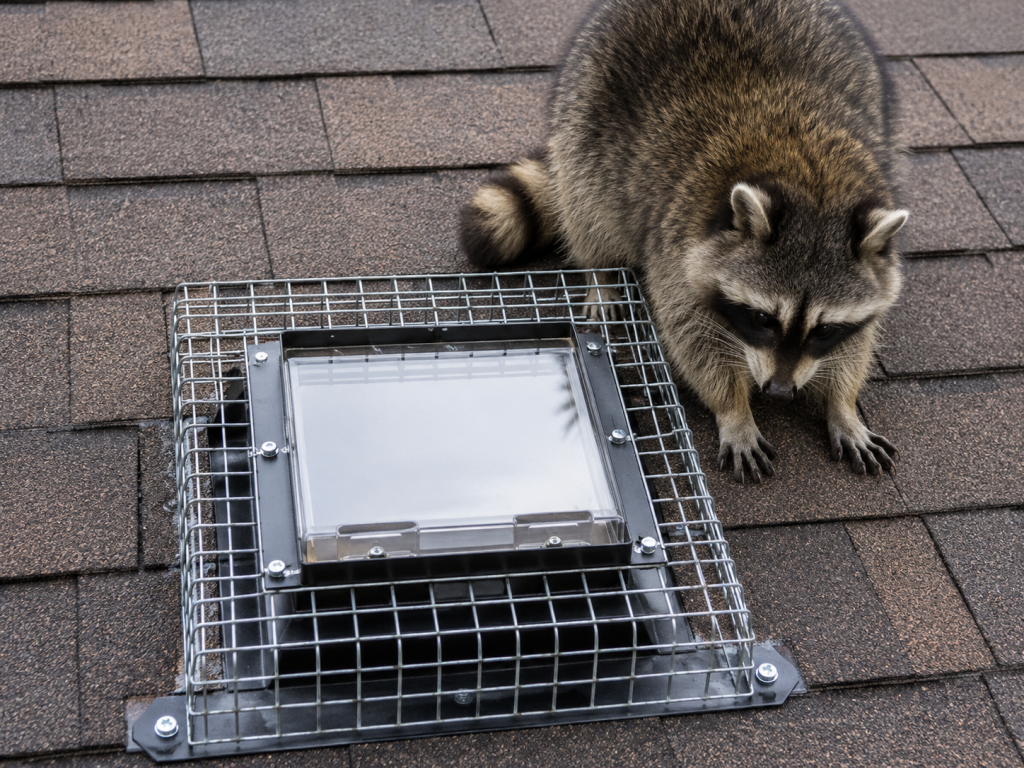
- Installing steel vent covers
- Repairing soffits and roof damage
- Securing garbage bins
- Trimming tree branches near the roof
- Sealing entry points along the roofline
How Professional Wildlife Removal Companies Operate
Reputable wildlife removal companies in Ontario follow procedures designed to comply with provincial laws and humane standards. This usually begins with a detailed inspection of the property to identify entry points and determine whether babies are present. Technicians then use humane removal methods such as one-way doors or controlled exclusion techniques. Once the raccoons are gone, damaged areas are repaired and reinforced. Many companies also provide cleanup and sanitation services for contaminated attic spaces. Choosing an experienced wildlife removal company helps ensure the process is handled safely, legally, and effectively.
Why Humane Removal Benefits Homeowners
Humane wildlife removal is not just about protecting animals. It also benefits homeowners. Methods that focus on exclusion and prevention are generally more effective than simple trapping. They reduce the chances of repeat infestations and help prevent costly damage from recurring.
Humane approaches also reduce the likelihood of dead animals becoming trapped inside walls or attics, which can create severe odours and contamination. By solving the root cause of the problem, homeowners receive a more permanent solution.
Common Entry Points for Raccoons in Ontario Homes
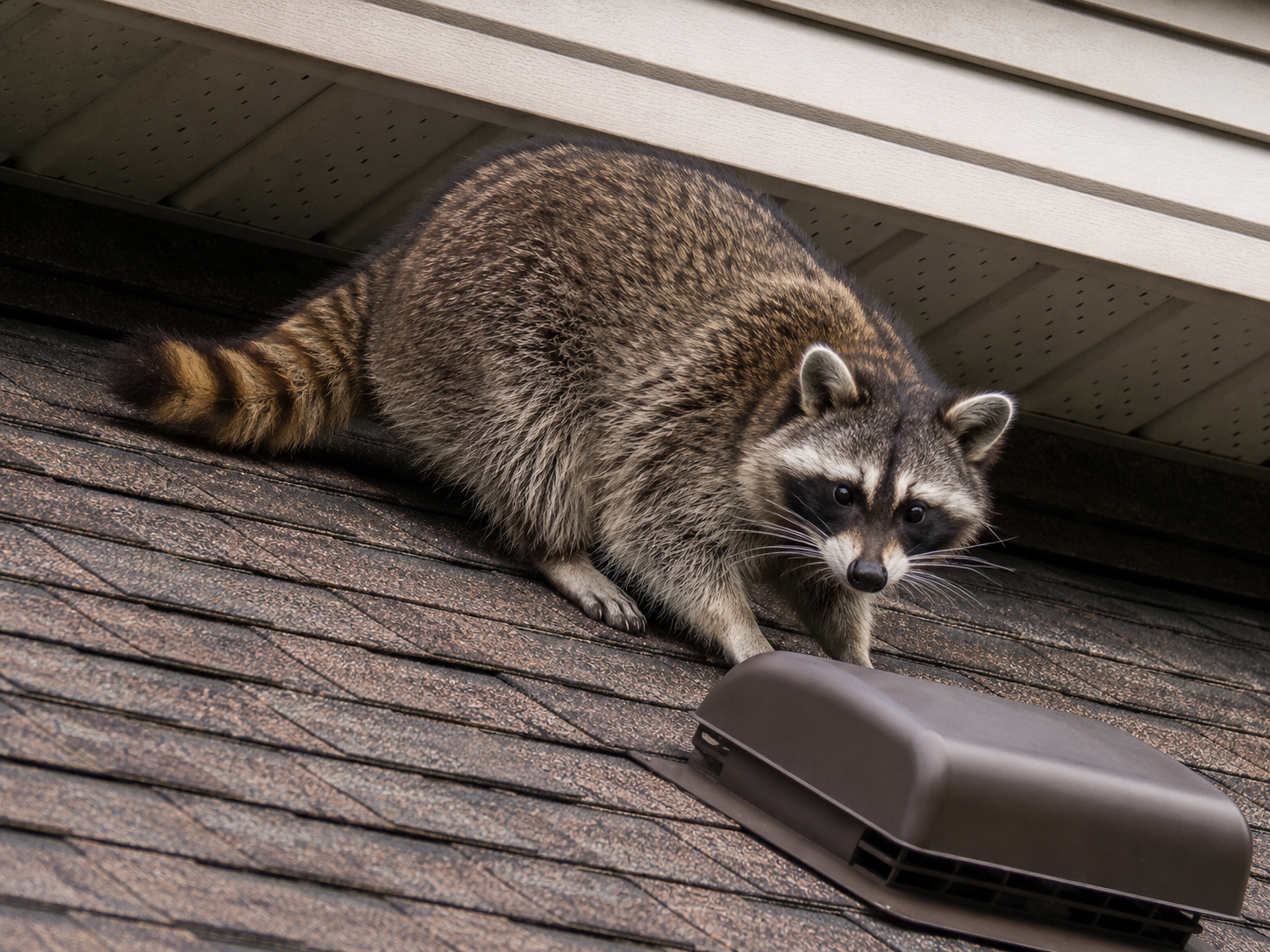
Ontario homes often have several vulnerable areas that raccoons target. Roof vents are one of the most common entry points because many are made from lightweight materials that raccoons can easily tear apart. Soffits, fascia, chimneys, and roof edges are also frequent problem areas.
Raccoons are persistent and will continue using the same entry point year after year if it is not properly secured. This is why durable wildlife-proofing materials are so important after removal.
Protect Your Home With Niagara Wildlife Removal
If you are dealing with raccoons in your attic or around your home, it is important to choose a company that follows Ontario wildlife laws and humane removal practices. At Niagara Wildlife, our team specializes in humane raccoon removal, exclusion work, and long-term prevention solutions throughout Niagara Falls and surrounding areas. Our team follows Ontario regulations while ensuring raccoons are removed safely and your home is properly protected against future intrusions.
Attempting to trap or relocate raccoons on your own can create additional problems and may not solve the issue permanently. Contact Niagara Wildlife to book an inspection and receive professional, humane raccoon removal services that comply with Ontario laws and regulations.