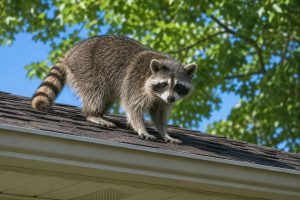
Raccoons are one of the most persistent and destructive wildlife animals homeowners deal with in the Niagara Region. One of the most common ways they get into homes is through the roof vent. Many homeowners are surprised to learn just how easily a raccoon can break through what seems like a solid structure.
If you have ever heard noises in your attic or noticed damage on your roof, there is a strong chance a roof vent could be the entry point. Understanding how and why raccoons break through roof vents can help you prevent serious damage and avoid repeated infestations.
Why Roof Vents Are a Target
Roof vents are designed to allow airflow in and out of your attic. They play an important role in regulating temperature and moisture. However, most standard roof vents are not built to withstand wildlife.
In many homes across Niagara Falls and surrounding areas, roof vents are made from lightweight plastic or thin aluminum. These materials are effective for ventilation but offer very little resistance against a determined animal.
Raccoons are constantly searching for warm, secure places to shelter. Attics are one of their preferred locations, especially during colder months and spring breeding season. When a raccoon reaches your roof, the vent is often the easiest and weakest point to exploit.
How Raccoons Get Onto the Roof
Before breaking into a roof vent, raccoons must first access the roof. This is rarely a challenge for them. Raccoons are excellent climbers and can scale downspouts, brick walls, siding, and even wooden posts. Trees located near a home provide an even easier path. Once they reach the roofline, they begin exploring for potential entry points. They will inspect vents, soffits, and any gaps along the roofline. If a vent appears loose or made from softer material, it becomes an immediate target.
The Strength and Ability of Raccoons
Raccoons are much stronger than most people expect. Their front paws are highly dexterous, allowing them to grip, pull, and manipulate objects with precision. Combined with their body weight and sharp claws, they can apply a surprising amount of force. When a raccoon decides to enter a roof vent, it does not rely on a single attempt. It will repeatedly claw, pry, and bite at the vent cover until it gives way.
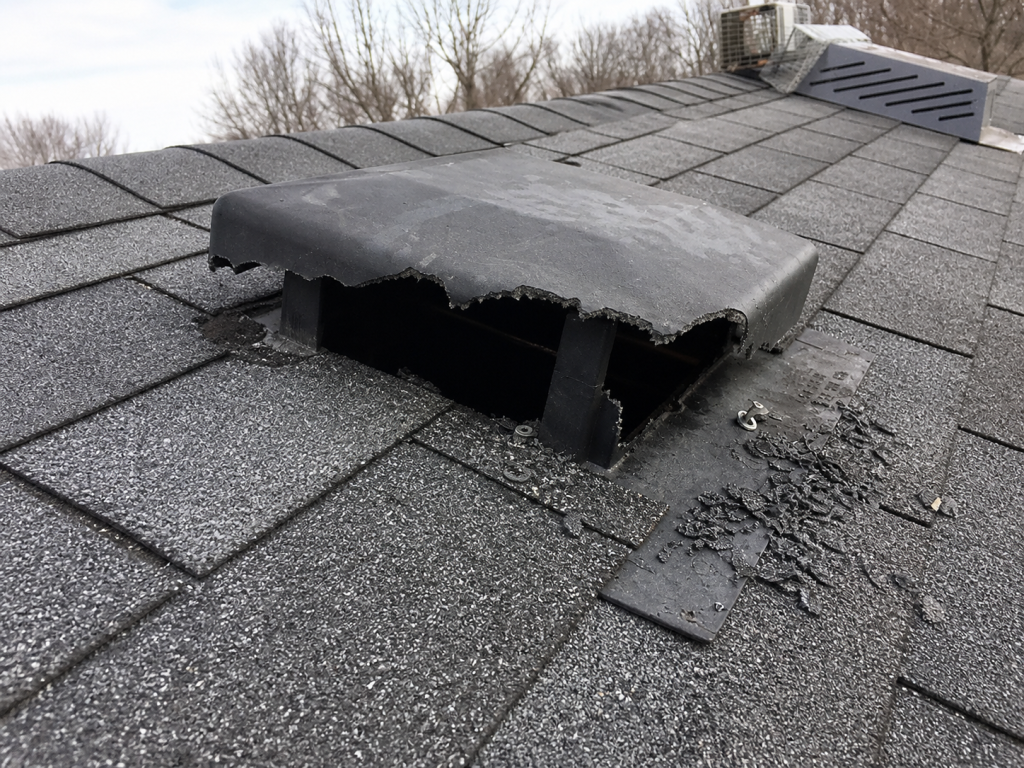
Plastic vents can often be broken within minutes. Thin metal vents may take longer, but raccoons are persistent and will continue working at the same spot until they create an opening large enough to fit through. Once the initial damage is done, the rest becomes much easier. Raccoons will widen the hole and begin using it as a regular entry point.
Signs a Raccoon Has Broken Through a Roof Vent
Damage to a roof vent is not always immediately obvious from the ground. However, there are several signs that can indicate a raccoon has gained access. Homeowners may notice heavy noises coming from the attic, especially at night. These sounds often include thumping, walking, or dragging, which is very different from the lighter scratching associated with smaller animals.
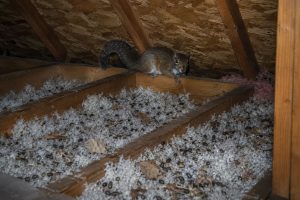
Outside, a damaged vent may appear bent, cracked, or partially collapsed. In some cases, pieces of the vent cover may be missing entirely. You may also notice increased raccoon activity around your property, such as animals climbing onto the roof or lingering near the same area repeatedly. Inside the attic, insulation may be disturbed, and there may be signs of nesting or contamination.
Why Raccoons Choose Roof Vents Over Other Entry Points
While raccoons can enter through soffits, roof edges, and other gaps, roof vents are often the easiest option. They are typically located on flat or accessible sections of the roof, making them easy to reach. The materials used in standard vents are also easier to break compared to solid wood or reinforced areas.
Additionally, vents provide a direct path into the attic without requiring the raccoon to squeeze through tight spaces. Once the cover is compromised, entry is quick and straightforward.
The Damage That Follows
Breaking through a roof vent is only the beginning of the problem. Once raccoons enter the attic, they begin creating a space for themselves. They tear apart insulation to build nests, often flattening or scattering it across the attic floor. This reduces the efficiency of your home’s insulation and can lead to higher energy costs. Raccoons also contaminate the attic with droppings and urine. Over time, this creates strong odours that can spread throughout the home.
If the intrusion occurs during spring, there is a high chance baby raccoons are present. This increases the level of activity and the amount of damage that occurs. The longer raccoons remain in the attic, the worse the situation becomes.
Why Quick Action Matters
Ignoring a damaged roof vent can lead to more serious problems. Once a raccoon has successfully entered your attic, it is likely to return. Even if that particular raccoon leaves, the damaged vent remains an open invitation for other animals. Squirrels, birds, and even additional raccoons may take advantage of the same entry point. Addressing the issue early can prevent further damage and reduce the cost of repairs.
How Professionals Prevent Roof Vent Break-Ins
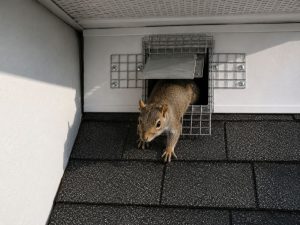
Professional raccoon removal focuses on both removal and prevention. Simply repairing the vent is not enough if the raccoon is still inside or has access to return. The process begins with identifying the entry point and confirming whether the attic is currently occupied. A one-way door is then installed over the damaged vent, allowing the raccoon to leave but preventing it from getting back in.
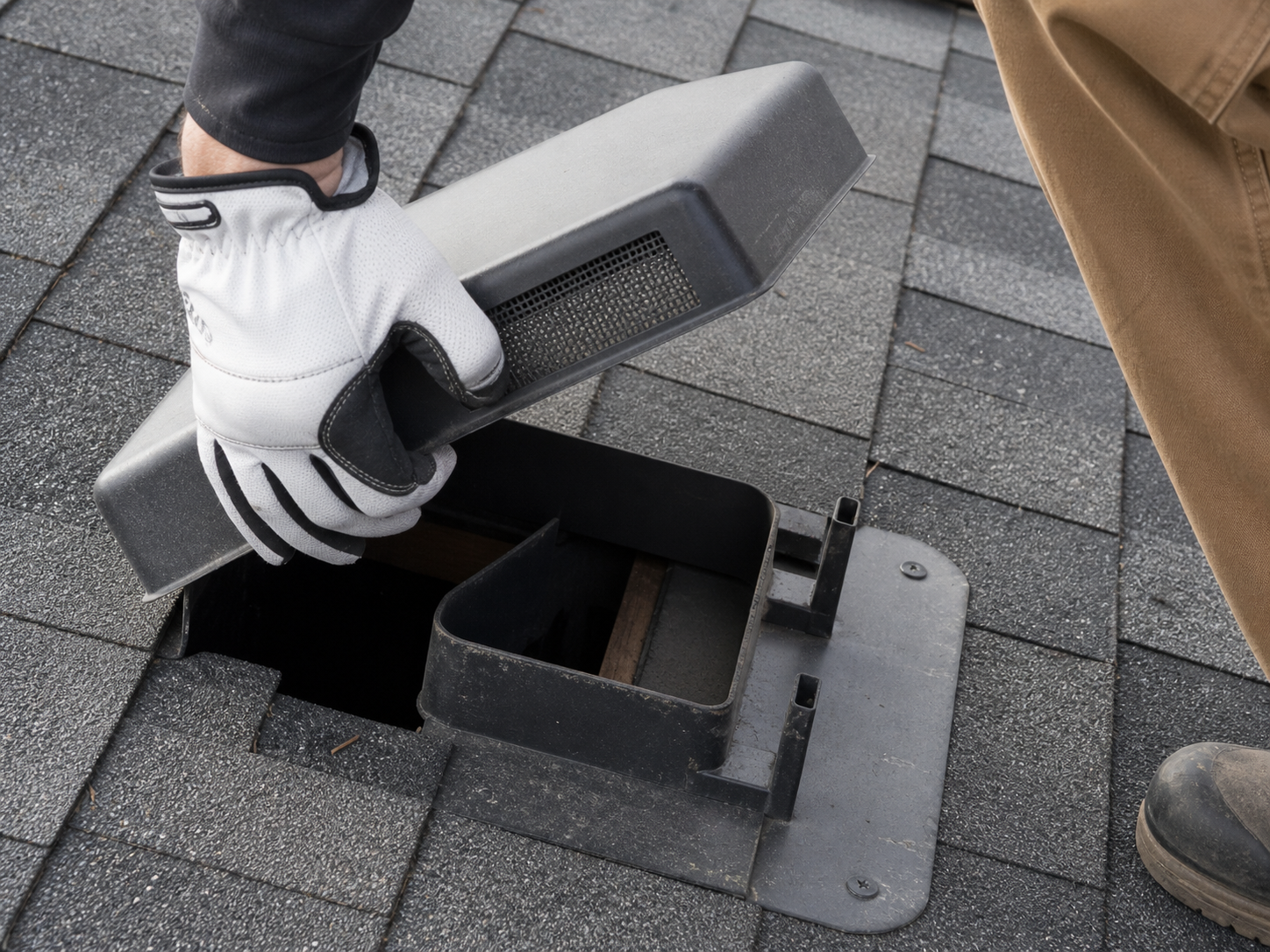
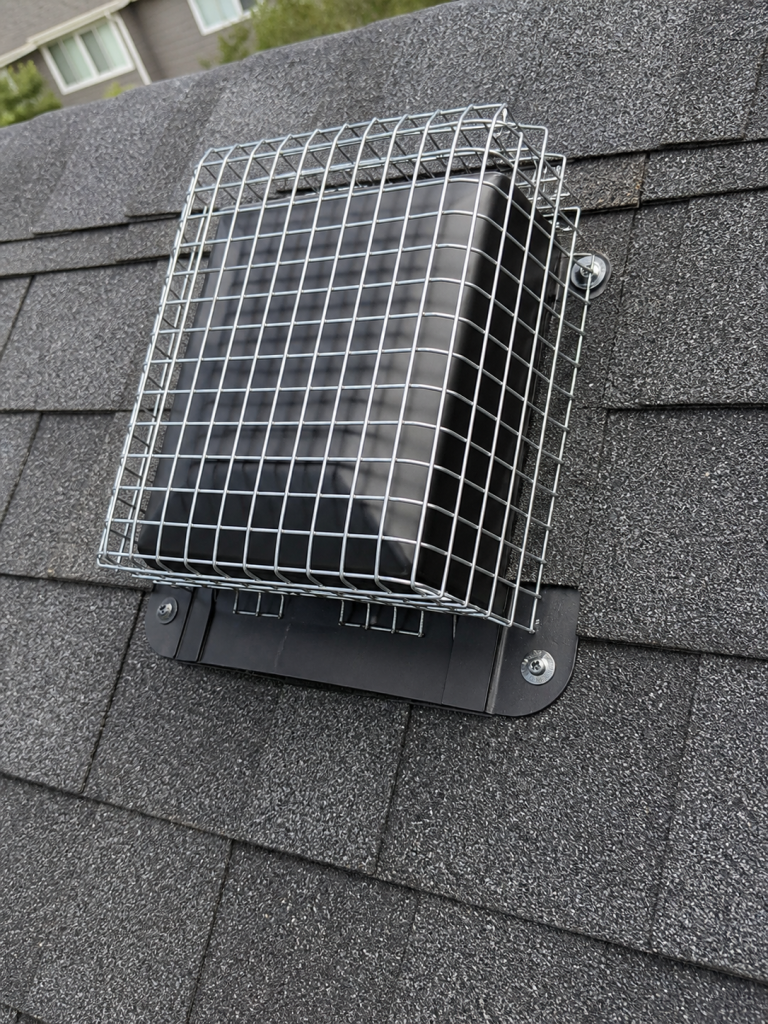
Once the animal has exited, the vent is replaced or reinforced using heavy-duty materials. Steel vent covers are commonly used because they are strong enough to withstand future attempts. This approach ensures the problem is fully resolved and prevents repeat infestations.
Upgrading Your Roof Vents
One of the most effective ways to protect your home is by upgrading your roof vents. Standard plastic or lightweight metal vents can be replaced or covered with reinforced steel guards. These guards allow proper airflow while preventing raccoons from gaining access.
This small upgrade can make a significant difference in protecting your attic. Homeowners in Niagara often choose to install vent covers as a preventative measure, especially if they have experienced wildlife issues in the past.
Protect Your Home With Niagara Wildlife Removal
If you suspect a raccoon has broken through your roof vent or you are hearing noises in your attic, it is important to act quickly. Niagara Wildlife specializes in identifying entry points, safely removing raccoons, and reinforcing vulnerable areas of your home. Our team uses humane methods to ensure animals are removed without harm while protecting your property from future intrusions.
Raccoons are persistent, and once they find a way in, they will keep coming back unless the problem is properly addressed. Contact Niagara Wildlife to book an inspection and secure your home against roof vent damage and attic intrusions.