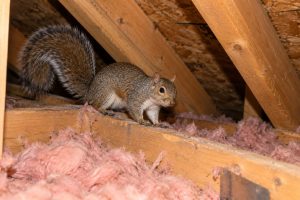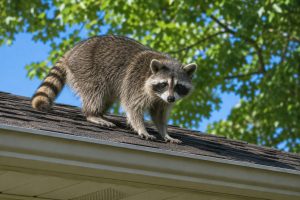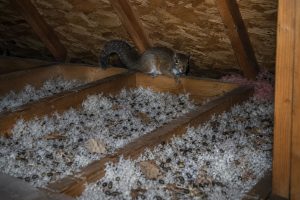
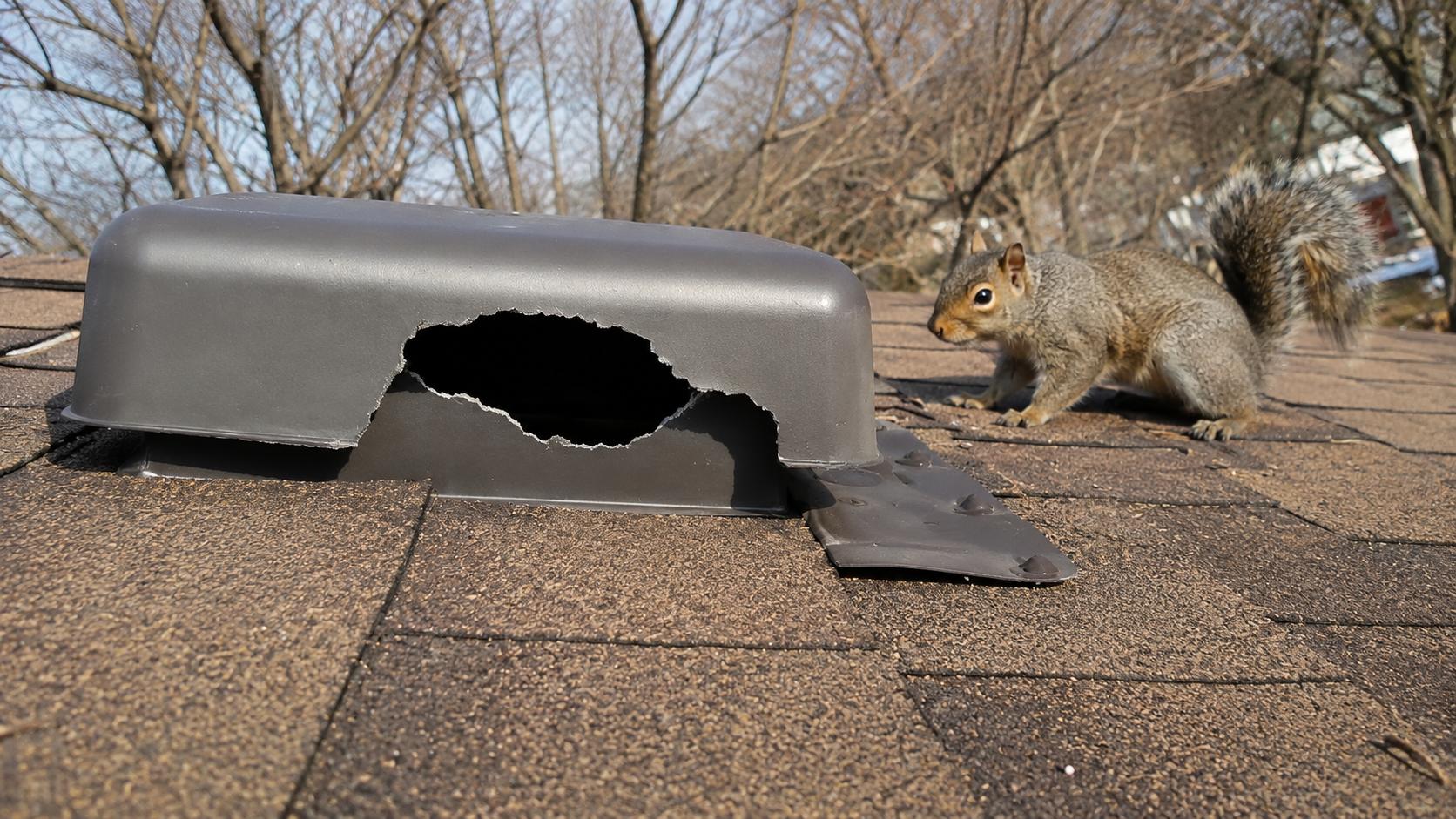
Short answer: Squirrels chew roof vents because a vent is the easiest way into a warm attic. Box vents are thin plastic or aluminium, warm air leaks out of them, and the louvres give teeth something to grip. A squirrel only needs a gap about the size of a golf ball. The fix is to get the squirrels out first, then fit a steel vent guard that teeth can’t get through.
Why are roof vents a squirrel’s favourite door?
- They’re soft. Most box vents on Niagara homes are moulded plastic or thin aluminium. Squirrels’ front teeth never stop growing, and they chew through plastic easily.
- They leak warm air and smell. In fall and late winter, warm attic air flows out of the vent and tells a squirrel there’s shelter inside.
- They already have an opening. Louvres and screens give a squirrel an edge to start on, instead of a flat surface.
- They’re high and hidden. Up on the roof, the squirrel is safe from dogs and people, and the damage is hard to see from the ground.
Squirrels look for a nest site most actively in late winter and spring, before the first litter, and again in late summer. That’s when most vent damage happens. See what time of year squirrels enter homes.
Which vents do squirrels chew?
| Vent | How squirrels get in |
|---|---|
| Box / static roof vents | Chew the plastic edge or louvres, or pull the screen out from underneath |
| Ridge vents | Chew the end caps or a weak section of plastic ridge |
| Gable vents | Push through or chew wooden or vinyl louvres |
| Plumbing stack collars | Chew the rubber or plastic boot around the pipe |
| Bathroom and kitchen exhaust vents | Get past a flapper that doesn’t close, then nest inside the duct |
| Dryer vents (on walls) | Nest in the duct. Lint plus nesting material is a fire risk |
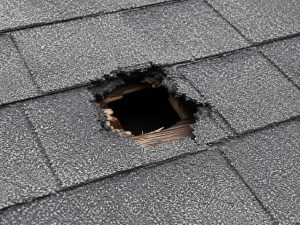
How do I know a squirrel has chewed my roof vent?
Stand back from the house with binoculars and look for:
- chewed, ragged edges on a vent, often at one corner
- a vent cover that’s lifted or tilted
- shingle grit, plastic bits or insulation on the roof or in the eavestrough
- a squirrel on the roof that disappears at the same spot in the morning
Inside, the noise is usually right under that vent. For the full list of attic signs, see signs of squirrels in your attic.
Can I just replace the vent?
Not while squirrels are inside. A new vent over a nest traps the squirrel, and in spring or late summer it may trap babies too. Trapped squirrels chew a new hole, often right next to the new vent or through the soffit. The order matters:
- Confirm activity and check for young. Litters are most common in spring and late summer.
- Install a one-way door on the chewed vent so squirrels can leave but can’t get back in.
- Screen every other weak spot on the roofline at the same time, so they can’t chew a new door nearby.
- Once activity stops, remove the one-way door. Then fit a steel guard or replace the vent with a squirrel-resistant model.
What stops squirrels from chewing roof vents?
A steel vent guard: a box of heavy-gauge galvanized steel mesh, screwed to the roof deck over the vent, so teeth can’t reach the plastic. Thin aluminium screen, plastic guards, spray foam and caulk are all chewed through quickly. Trimming branches back from the roof also helps, but squirrels can still climb walls and downspouts.
Ontario’s own guidance gives the same advice: after removing an animal that pulled open a roof vent, install a metal screen box over the vent so it can’t come back.
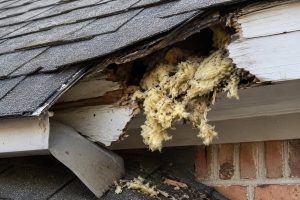
What damage can a chewed vent cause?
Once the vent is open, rain and snow can get in and soak the insulation and roof deck. Squirrels then chew wood, wiring and ductwork inside the attic, and other animals, like birds or raccoons, can use the same hole. Read the damage squirrels cause inside attics.
Squirrel in your roof vent in Niagara?
Pro Wildlife Niagara removes squirrels from roof vents with one-way doors, then fits steel guards and screens the rest of the roofline. Inspections are $75–$100 plus HST and are credited toward the work. Squirrel exclusion typically runs $700–$1,500 plus HST, depending on the number of vents and gaps. See the price guide and squirrel removal, or call 289-273-2251.
Related: Squirrel removal in Grimsby
Frequently asked questions
Why do squirrels chew on roof vents?
Roof vents are the easiest way into a warm attic. Most are thin plastic or aluminium, warm air leaks out of them, and louvres give a squirrel’s teeth an edge to grip. Squirrels look for nest sites in late winter, spring and late summer, so vent damage usually shows up in those seasons, often right before a litter.
How do I keep squirrels out of my roof vents?
Fit each vent with a heavy-gauge galvanized steel guard screwed to the roof deck. Plastic covers, thin screen, foam and caulk don’t last. Make sure no squirrel is inside first: use a one-way door on any active vent, then guard every vent and weak roofline gap so they can’t chew a new hole nearby.
Is a squirrel in a dryer or exhaust vent dangerous?
It can be. Squirrels and birds build nests inside exhaust and dryer ducts, which blocks airflow. In a dryer vent, nesting material mixed with lint is a fire risk, and blocked bathroom fans push moisture into the attic. Remove the nest, clean the duct and fit a proper cover with a working flap.
Sources
- Government of Ontario, “Harass, capture or kill a wild animal damaging private property”: https://www.ontario.ca/page/harass-capture-or-kill-wild-animal-damaging-private-property (“install a metal screen box over a plastic roof vent if squirrels have damaged and pulled open the roof vent”; 1 km release rule)