Many homeowners in Niagara are surprised to hear scratching noises coming from their attic or walls and discover that squirrels have moved into their home. One of the most common questions wildlife professionals receive is: “What time of year do squirrels enter homes?”
The short answer is that squirrels can enter homes at any time of year. However, there are certain seasons when squirrel activity around homes increases significantly. These periods are usually linked to weather conditions, breeding seasons, and the search for safe nesting locations.
Understanding when squirrels are most likely to enter homes can help homeowners identify problems early and take preventative measures before serious damage occurs.
Squirrels Are Active Throughout the Year
Unlike some wildlife species that hibernate during winter, squirrels remain active year-round. In Niagara Falls and surrounding communities, eastern gray squirrels and red squirrels continue searching for food, shelter, and nesting sites regardless of the season. This means homeowners can experience squirrel problems during any month of the year.
That said, certain times of year create stronger motivations for squirrels to seek shelter inside homes. The two busiest periods for squirrel infestations typically occur during late winter and early spring, followed by a second increase during late summer and early fall.
Late Winter Is a Common Time for Squirrels to Enter Homes
Many squirrel infestations begin during the late winter months. As temperatures remain cold and snow covers natural food sources, squirrels become more interested in finding secure locations where they can build nests and prepare for the upcoming breeding season.
Attics provide several advantages during this time. They are warmer than outdoor nests, protected from predators, and shielded from harsh weather. Female squirrels often begin searching for suitable nesting sites weeks before giving birth. Homes with damaged roof vents, loose soffits, or small roofline gaps can quickly become attractive targets. Homeowners frequently start hearing activity in attics between January and March as squirrels establish nesting areas.
Spring Brings Baby Squirrel Season
Spring is one of the busiest times of year for squirrel activity inside homes. In Ontario, the first squirrel breeding season generally produces young between March and May. During this period, female squirrels are highly motivated to find safe places to raise their babies. Attics are ideal because they offer stable temperatures and protection from predators such as hawks, owls, foxes, and raccoons.
Many homeowners first discover a squirrel problem in the spring when they hear increased movement, chirping sounds, or scratching noises coming from above the ceiling. Baby squirrels remain dependent on their mother for several weeks. This is why professional wildlife removal is especially important during spring infestations. Removing the mother without addressing the babies can create additional complications.
Summer Activity Continues
Although many people associate squirrel infestations with colder weather, squirrels remain active around homes throughout the summer. Young squirrels born in spring begin exploring their surroundings and establishing territories. As juvenile squirrels disperse, they often investigate homes, sheds, garages, and other structures.
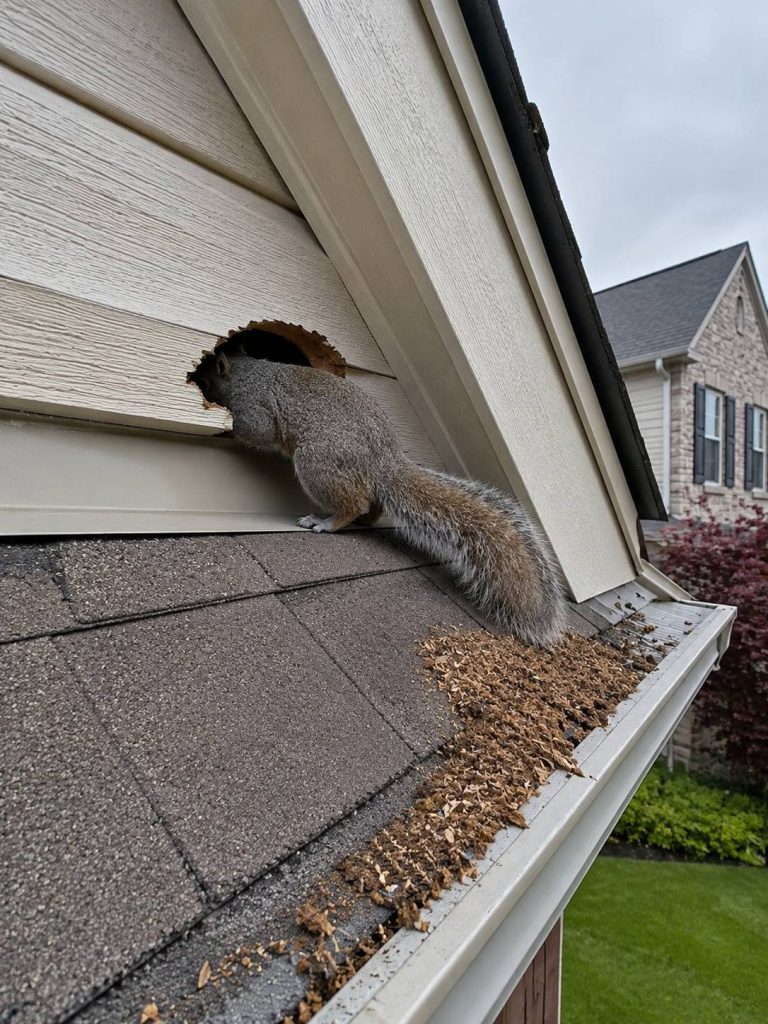
Summer storms can also damage roof vents, soffits, and fascia boards, creating new opportunities for squirrels to gain access. While summer infestations are often less noticeable than winter infestations, wildlife technicians continue responding to squirrel-related calls throughout the season. Homes located near mature trees frequently experience the highest levels of summer squirrel activity.
Late Summer and Fall Bring Another Peak Season
A second surge in squirrel infestations often occurs during late summer and early fall. Many squirrels produce a second litter during the summer months, resulting in another wave of young squirrels searching for territory and shelter.
At the same time, squirrels begin preparing for colder weather by collecting food and identifying safe nesting locations. Attics become attractive once again as temperatures gradually cool.
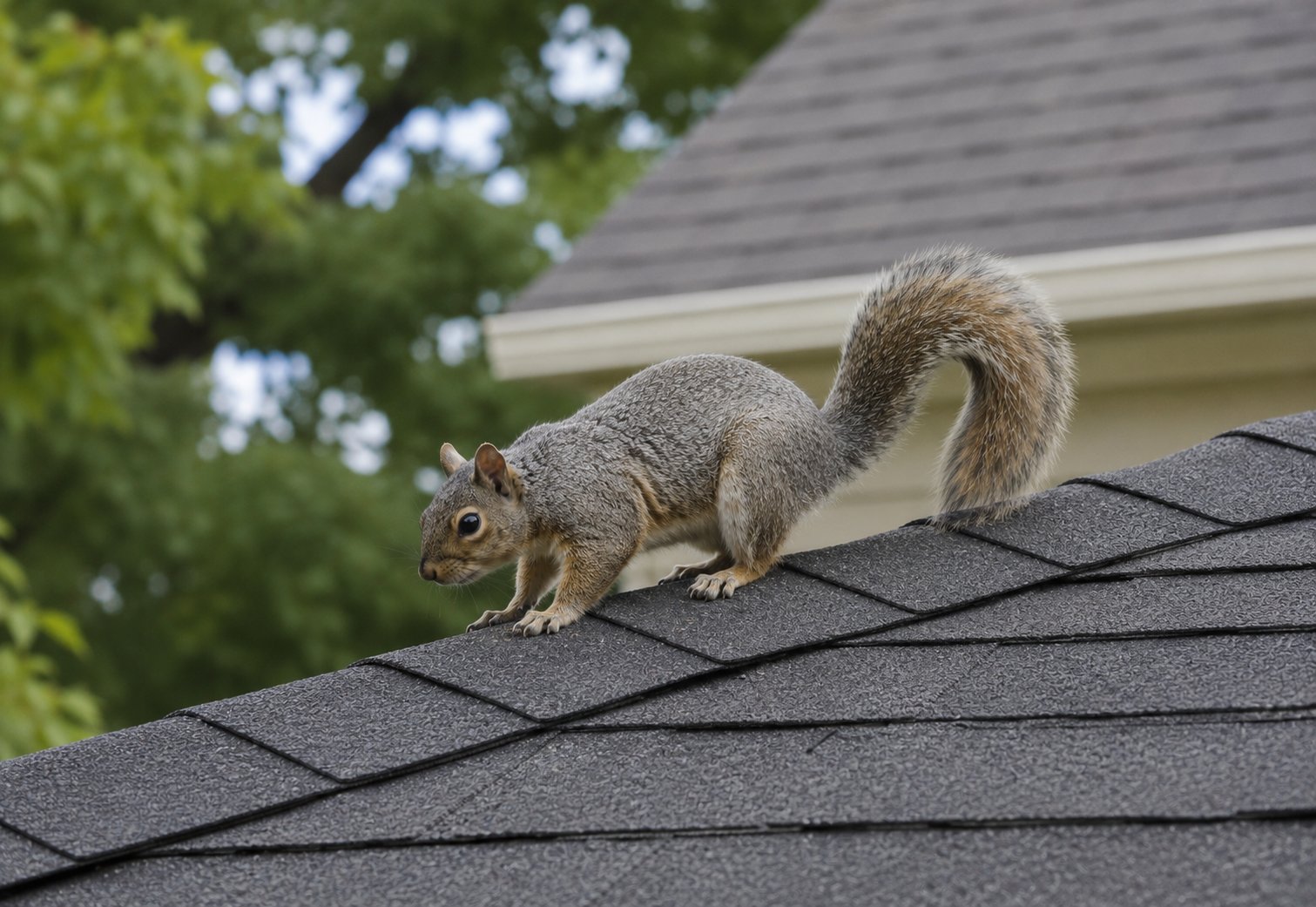
Homeowners often notice squirrels running along rooflines, climbing gutters, and exploring roof vents during this time. These behaviours may indicate that squirrels are searching for entry points. Fall is also when many homeowners first discover existing damage that occurred earlier in the year.
Winter Doesn’t Stop Squirrel Activity
A common misconception is that squirrels disappear during winter. In reality, squirrels remain active throughout the season. While they spend more time in nests during extremely cold weather, they continue leaving to search for food and water.
Attics that already contain squirrels often remain occupied throughout the winter months. The warmth generated by a home’s heating system makes attic spaces particularly appealing.
Winter infestations may become more noticeable because sound travels differently during colder months. Homeowners often hear scratching, running, or chewing noises more clearly when squirrels are active above insulated ceilings.
Why Attics Are So Attractive to Squirrels
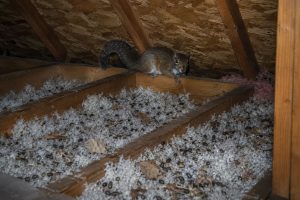
Regardless of the season, attics offer many benefits for squirrels. An attic provides shelter from rain, snow, wind, and temperature extremes. It also offers protection from predators and access to nesting materials such as insulation.
Many attics are rarely disturbed, making them ideal locations for squirrels to raise young. Once a squirrel discovers a suitable attic space, it may continue returning year after year unless the entry point is properly repaired. Female squirrels often remember successful nesting locations and attempt to reuse them during future breeding seasons.
How Squirrels Get Into Homes
The timing of squirrel activity is closely connected to the availability of entry points. Squirrels are excellent climbers capable of accessing nearly every part of a roof. Common entry points include:
- Roof vents
- Soffits
- Fascia boards
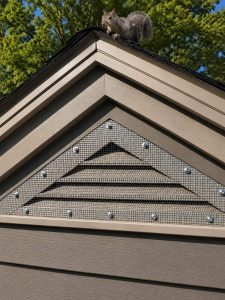
- Gable vents
- Roofline intersections
- Construction gaps
- Areas damaged by weather
Because squirrels have strong teeth that continuously grow, they can chew through wood, plastic, aluminum, and other building materials to enlarge existing openings. What starts as a small defect can eventually become a large access point.
Why Early Action Is Important
Regardless of when squirrels enter a home, prompt action helps minimize damage. Squirrels can destroy insulation, contaminate attic spaces, chew electrical wiring, and damage structural materials. The longer they remain inside, the greater the risk of costly repairs.
Problems can become even more complicated during baby season when young squirrels are present. Professional wildlife removal ensures that squirrels are removed safely and humanely while preventing future access.
How Wildlife Professionals Handle Squirrel Infestations
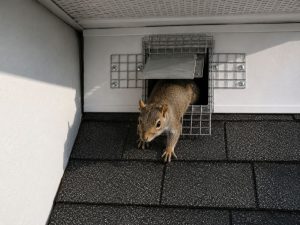
A professional inspection identifies active entry points, nesting areas, and any damage that has occurred. Humane one-way doors are commonly installed over entry points. These devices allow squirrels to exit but prevent them from re-entering.
If baby squirrels are present, technicians can safely reunite them with their mother during the exclusion process. Once all squirrels have left, damaged areas are repaired and reinforced using wildlife-resistant materials. This approach addresses both the animals and the conditions that allowed them inside.
Contact Niagara Wildlife Removal
If you are hearing scratching noises in your attic, seeing squirrels on your roof, or noticing damage to roof vents or soffits, it is important to act before the problem worsens.
Niagara Wildlife Removal specializes in humane squirrel removal, attic inspections, roof vent repairs, and wildlife-proofing services throughout Niagara Falls and the surrounding area. Our experienced team can identify entry points, remove squirrels safely, and help protect your home from future infestations.
Reach out to our team at Niagara Wildlife Removal to schedule an inspection and keep squirrels out of your home.