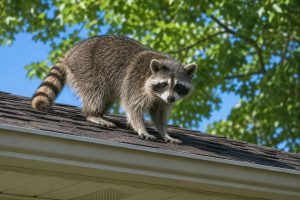
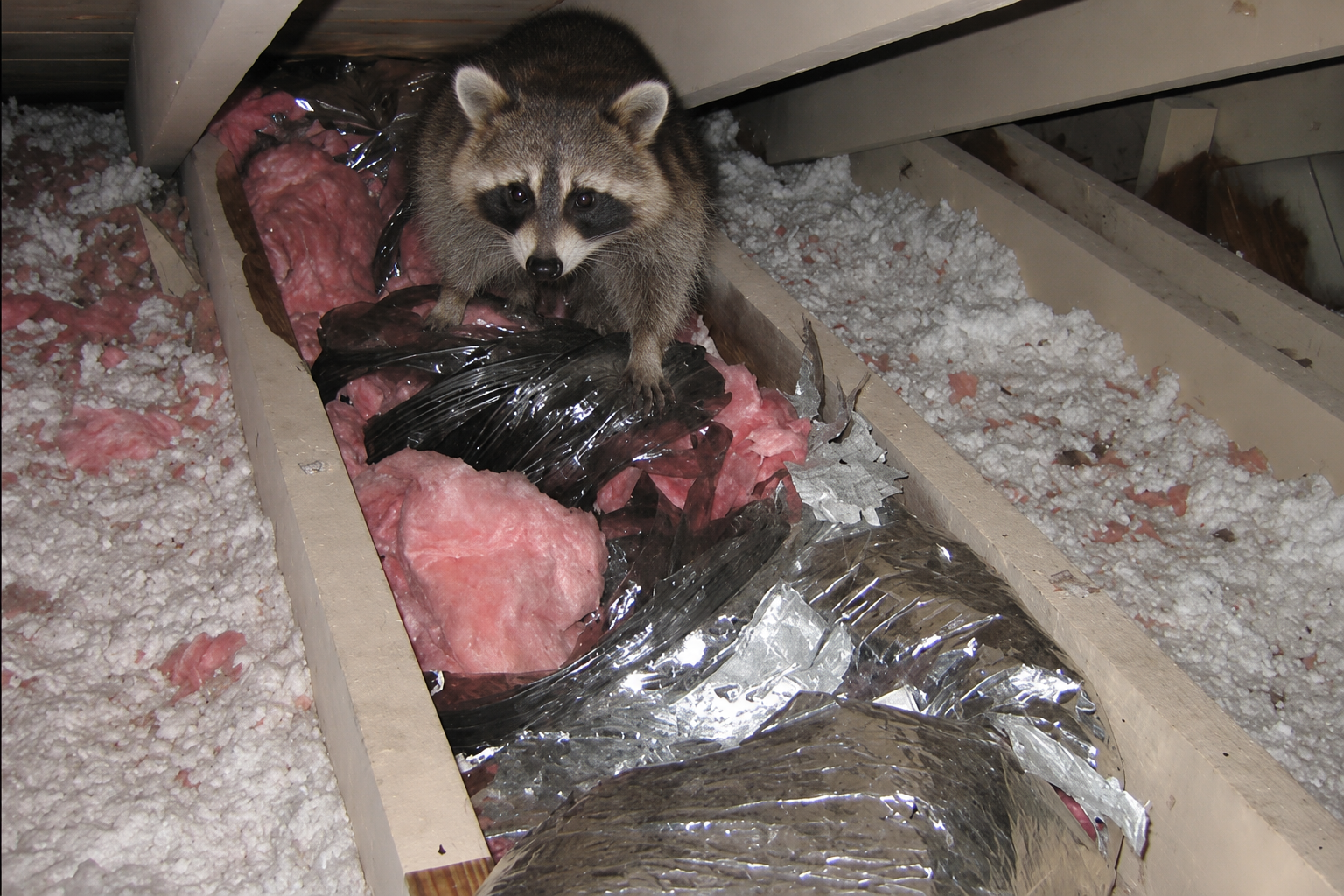
Raccoons are one of the most common wildlife animals found inside attics throughout Niagara Falls and surrounding areas. While they may appear harmless from a distance, raccoons can cause extensive damage once they move into a home. Torn insulation, damaged roof vents, contamination, and loud nighttime activity are all common problems associated with attic infestations.
Many homeowners wonder how professional wildlife removal companies actually remove raccoons from attics. The process involves much more than simply trapping the animal and taking it away. Proper raccoon removal requires inspection, humane exclusion methods, cleanup, and prevention work to ensure the problem does not return.
Understanding how professionals handle attic raccoon infestations can help homeowners know what to expect and why expert removal is often the safest and most effective solution.
The Inspection Process
Every professional raccoon removal service begins with a full inspection of the property. The goal of the inspection is to determine how the raccoons entered the attic, whether babies are present, and how much damage has occurred. Wildlife technicians carefully examine the roofline, soffits, vents, fascia, and attic space for signs of activity.
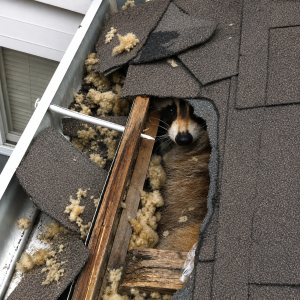
Raccoons are strong and persistent animals. They often tear open weak areas of the roof to gain access. Roof vents are one of the most common entry points because many standard vents are made from lightweight plastic or thin metal. During the inspection, technicians also look for tracks, droppings, disturbed insulation, and nesting material inside the attic. A thorough inspection is essential because simply removing the animal without addressing the entry point usually leads to repeat infestations.
Identifying Whether Babies Are Present
One of the most important parts of attic raccoon removal is determining whether baby raccoons are inside. In Ontario, raccoon baby season typically occurs during the spring months, with most litters born between March and May. Female raccoons frequently choose attics as safe places to raise their young. If babies are present, the removal process must be handled carefully. Separating a mother raccoon from her babies can create serious problems for both the animals and the homeowner.
Professionals inspect the attic for nesting areas and listen for chirping or crying sounds that indicate young raccoons are present. This step is critical before any exclusion work begins.
Why Professionals Use Humane Removal Methods
Modern wildlife removal focuses heavily on humane exclusion rather than traditional trapping. In Ontario, there are regulations surrounding wildlife relocation, and humane practices are strongly encouraged. Relocating raccoons long distances is not considered an effective long-term solution.
Instead, professionals focus on encouraging the raccoon to leave naturally while preventing it from returning. Humane removal methods are safer for the animal and more effective for the homeowner because they address the root cause of the problem.
Installing a One-Way Door
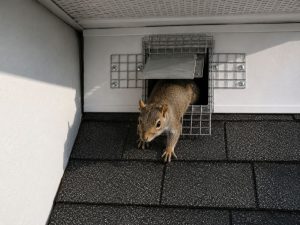
One of the most common tools used during professional raccoon removal is a one-way door. This device is installed directly over the raccoon’s entry point. It allows the raccoon to leave the attic but prevents it from re-entering once it exits. Raccoons naturally leave the attic at night to search for food. When they return, they are unable to get back inside. This method works extremely well because it removes the raccoon without trapping or harming it. One-way doors are commonly installed over damaged roof vents, soffit openings, or roofline gaps where raccoons have gained entry.
Handling Baby Raccoons
When baby raccoons are found inside the attic, professionals take additional steps to ensure the family is removed safely. The babies are carefully removed by hand and placed in a heated reunion box or secure container outside near the entry point. The mother raccoon will return for them and relocate them to another den site.
This process allows the babies to stay with their mother while ensuring they are removed from the attic. Attempting to handle baby raccoons without proper training can be dangerous and often results in orphaned animals or additional damage to the home. Professional wildlife technicians know how to handle the situation safely and humanely.
Sealing the Entry Point
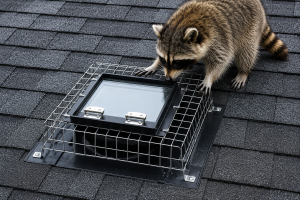
Once all raccoons have left the attic, the next step is permanently securing the entry point. This is one of the most important parts of the process. If the opening is not properly repaired, another raccoon may move into the attic shortly afterward. Professionals use durable wildlife-proof materials such as galvanized steel mesh, heavy-duty vent covers, and reinforced flashing to seal vulnerable areas. Roof vents are often upgraded with steel protective covers to prevent future break-ins. Soffits and fascia boards may also need repair if they were damaged during the infestation. The goal is to make the home resistant to future wildlife intrusions.
Inspecting for Additional Vulnerable Areas
Raccoons are highly intelligent animals and often test multiple areas around a roofline. During the repair process, wildlife technicians inspect the rest of the home for potential weak points. Even if only one entry hole is currently being used, other vulnerable areas may eventually become future access points. Professionals commonly reinforce:
- Roof vents
- Plumbing vent stacks
- Soffits
- Chimneys
- Roof edges
- Gaps along siding transitions
This preventative work helps reduce the likelihood of future infestations.
Cleaning and Sanitizing the Attic
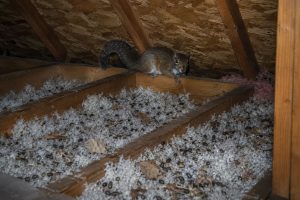
After the raccoons are gone, the attic often requires cleanup and sanitation. Raccoons can leave behind droppings, urine, nesting materials, and contaminated insulation. Over time, these materials create strong odours and can impact air quality inside the home.
Professionals assess the extent of contamination and determine whether insulation removal is necessary. In many cases, damaged insulation is removed and replaced to restore energy efficiency and eliminate odours. Sanitizing the attic also helps reduce bacteria and parasites associated with wildlife contamination.
Repairing Damage Caused by Raccoons
Attic raccoons often cause significant structural damage while entering and living inside the home. Professionals may repair:
- Torn roof vents
- Broken soffits
- Damaged fascia boards
- Chewed or crushed ductwork
- Contaminated insulation
- Open roofline gaps
Repairing the damage quickly helps prevent water intrusion and further deterioration of the home. Many homeowners are surprised at how much destruction raccoons can cause in a relatively short amount of time.
Why DIY Raccoon Removal Often Fails
Homeowners sometimes attempt to remove raccoons themselves by using repellents, loud noises, or blocking entry points. Unfortunately, these methods are usually ineffective and can sometimes make the situation worse.
A raccoon trapped inside the attic may panic and cause even more damage while trying to escape. If babies are present, sealing the entry hole can separate them from their mother. DIY trapping also does not address the need for proper exclusion and repairs. Professional wildlife removal companies understand raccoon behaviour and know how to remove them safely while protecting the home.
How Long the Process Takes
The timeline for raccoon removal depends on the situation. In many cases, adult raccoons can be excluded within a few days using a one-way door. If babies are present, the process may take slightly longer to ensure the family is safely reunited and removed. Cleanup and repair work may add additional time depending on the level of attic damage. Professionals prioritize doing the job properly rather than rushing the process.
Protect Your Home With Niagara Wildlife Removal
If you hear noises in your attic or suspect raccoons are living in your roof, it is important to act quickly before the damage worsens. Pro Wildlife Niagara specializes in humane raccoon removal, attic inspections, wildlife-proofing, and roof vent protection throughout Niagara Falls and surrounding areas. Our team safely removes raccoons, handles baby raccoon situations properly, and seals entry points to help prevent future infestations.
Raccoons are persistent animals, and attic infestations rarely resolve on their own. Professional removal ensures the problem is handled safely, humanely, and effectively. Contact Pro Wildlife Niagara to book an inspection and protect your home from raccoon damage.