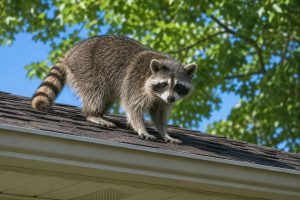
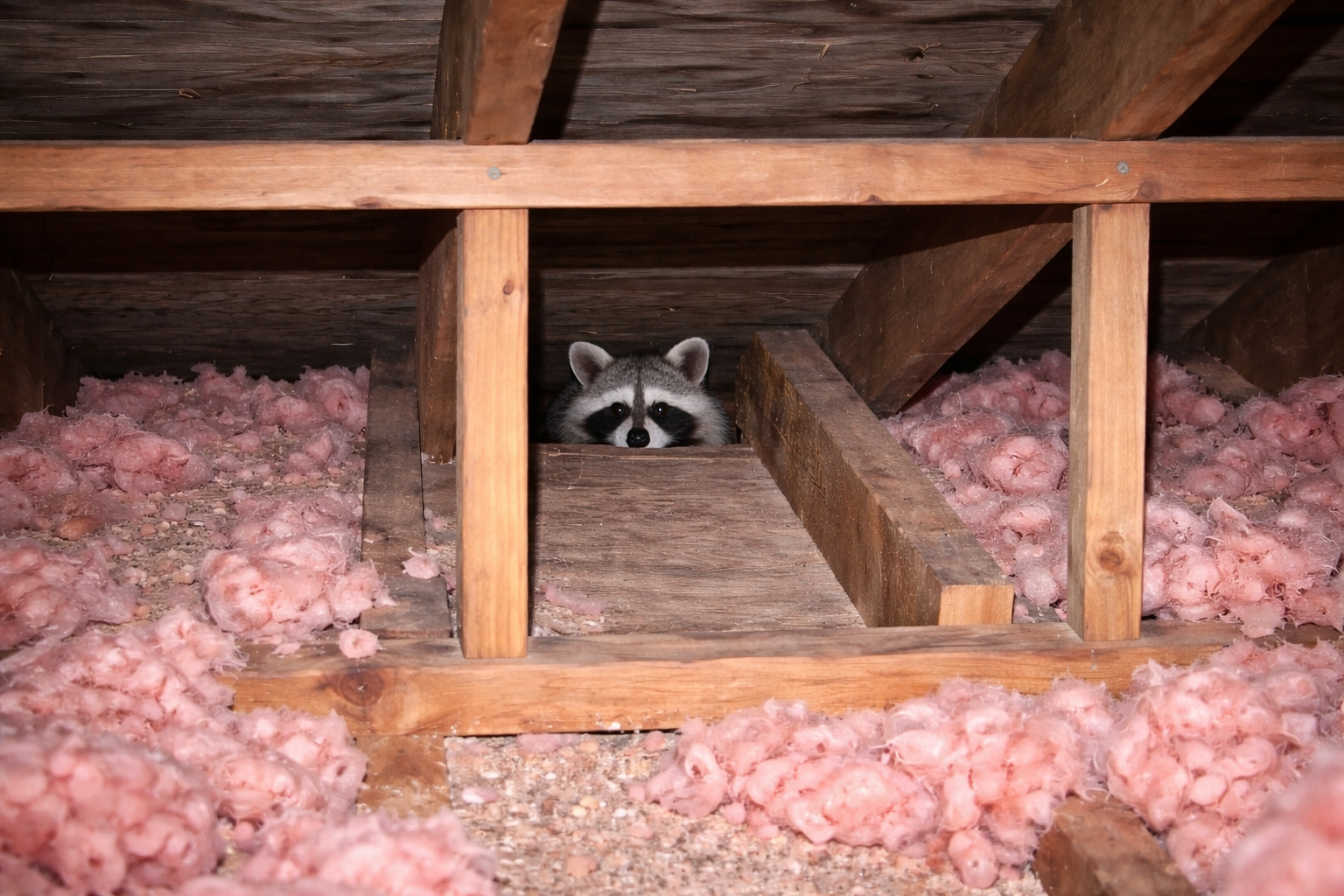
Raccoons are one of the most destructive wildlife animals that can enter a home. In Niagara and surrounding areas, attic intrusions are especially common due to the availability of shelter and easy access points along rooflines. While the noise they create often alerts homeowners to their presence, the real problem is what happens out of sight.
Once raccoons get into an attic, they begin altering the space to suit their needs. Over time, this leads to structural damage, contamination, and costly repairs. Understanding the type of damage raccoons cause inside attics can help homeowners take the issue seriously and act quickly.
Why Attics Are Vulnerable
Attics provide raccoons with everything they are looking for. They offer warmth, protection from weather, and a quiet space where they can remain undisturbed. In Niagara’s climate, this becomes especially important during colder months and spring breeding season. Raccoons typically enter through roof vents, soffits, or weak areas along the roofline. Once inside, they begin creating a living space that often results in extensive damage.
Insulation Destruction
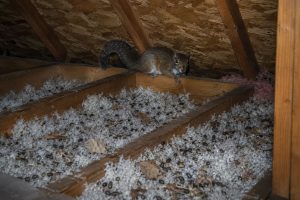
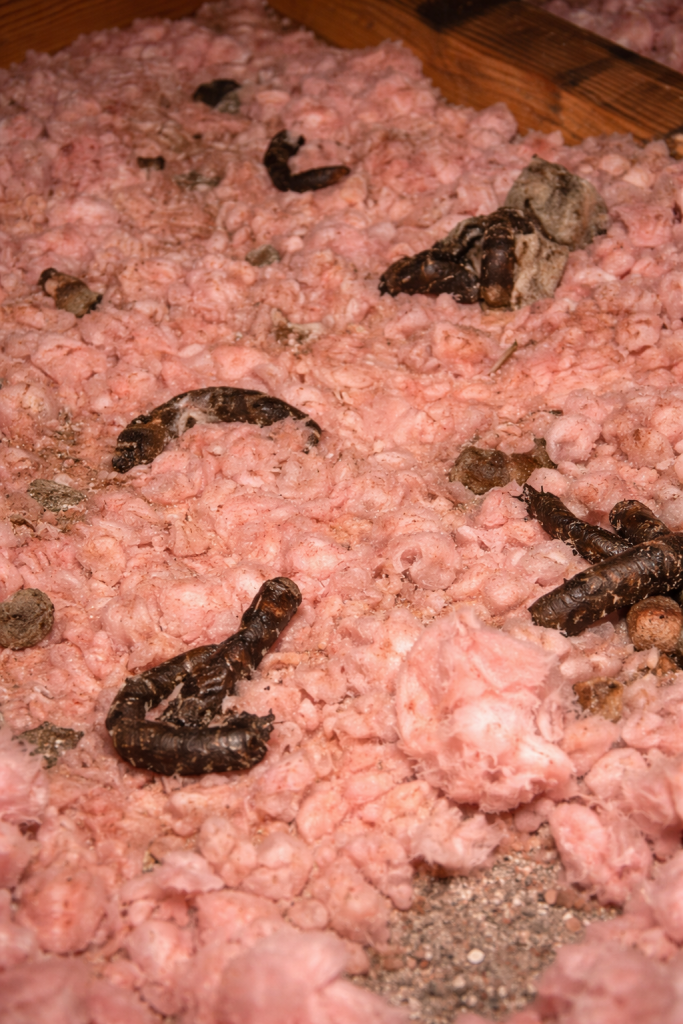
One of the first things raccoons do in an attic is disturb the insulation. Insulation is soft and easy to move, making it ideal for nesting. Raccoons will tear apart insulation and compress it to create a comfortable resting area. In many cases, they push it aside entirely, exposing the attic floor beneath. This reduces the effectiveness of the insulation and can lead to heat loss during winter and higher cooling costs in summer.
As the insulation becomes damaged, the energy efficiency of the home declines. Homeowners may notice higher utility bills without realizing the cause is coming from the attic. In severe cases, insulation must be completely replaced after raccoons have been removed.
Contamination From Droppings and Urine
Raccoons do not use one single location as a bathroom. Instead, they tend to contaminate multiple areas of the attic. Their droppings accumulate over time and can spread bacteria and parasites. Urine soaks into insulation and wood, creating strong odours that can travel into living spaces below.
This contamination is not just unpleasant. It can pose health risks, especially if particles become airborne and circulate through the home. The longer raccoons remain in the attic, the more extensive the contamination becomes. Proper cleanup often requires removing affected insulation and sanitizing the area.
Structural Damage to Wood and Roofing
Raccoons are strong animals with powerful paws and jaws. They often cause damage to the structure of the attic as they move around and create space for themselves. Wood beams, rafters, and roof decking may become scratched, chewed, or weakened. While this damage may not always be visible from inside the home, it can compromise the integrity of the attic over time.
Entry points themselves also contribute to structural issues. A damaged roof vent or torn soffit can allow water to enter, leading to moisture problems and potential rot. Ignoring these issues can turn a wildlife problem into a much larger home repair project.
Damage to Air Ducts and Ventilation
In many attics, ductwork runs through the insulation. Raccoons moving through that space may crush or displace these ducts. They may also tear at flexible ducting, creating leaks that affect airflow throughout the home. This can reduce the efficiency of heating and cooling systems and create uneven temperatures in different rooms.
Ventilation systems can also become blocked by nesting material, which may lead to moisture buildup and poor air circulation. These issues are often overlooked but can significantly impact indoor comfort and air quality.
Electrical Hazards
Raccoons are known to chew on materials in the attic, including electrical wiring. While this behaviour is more commonly associated with smaller rodents, raccoons can also damage wires as they move through tight spaces.
Exposed wiring creates a serious fire hazard. Even minor damage can increase the risk of electrical issues over time. If raccoons have been in your attic, it is important to have wiring inspected as part of the cleanup process.
Entry Point Expansion
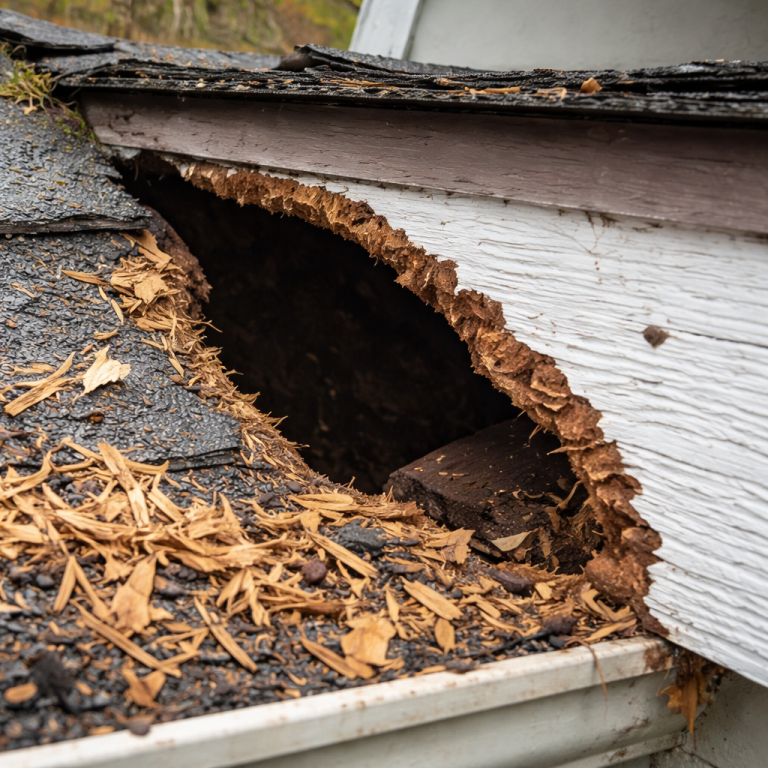
Raccoons rarely use an entry point exactly as they find it. If the opening is small, they will make it larger. This often involves tearing roofing materials, bending metal vents, or pulling apart soffits. Over time, the entry hole becomes more visible and more damaging to the structure of the home.
A larger opening not only allows raccoons to come and go more easily but also increases the risk of water intrusion and additional wildlife entering the attic. Proper repair and reinforcement of these areas is essential after removal.
Nesting and Debris Buildup
Raccoons bring materials into the attic to build nests. This can include insulation, leaves, paper, and even garbage from outside. As nesting materials accumulate, they create clutter and can block airflow within the attic. In some cases, this buildup contributes to moisture retention and mould growth. Debris can also attract insects, creating a secondary pest issue that adds to the overall problem.
Odours That Spread Through the Home
One of the most noticeable effects of raccoons in an attic is the smell. As droppings, urine, and nesting materials build up, odours become stronger. These smells often travel through vents and ceiling cavities, making them noticeable in living areas. Homeowners may initially think the smell is coming from something else, especially if the raccoon activity has not yet been discovered. In situations where a raccoon becomes trapped or dies in the attic, the odour can become overwhelming and difficult to eliminate without professional help.
Increased Noise and Disturbance
While not a form of physical damage, the noise raccoons create can be disruptive. Heavy footsteps, scratching, and movement across the ceiling can interfere with sleep and daily life. When babies are present, the noise level often increases. Chirping and crying sounds may continue throughout the day and night. This constant disturbance is often what prompts homeowners to investigate the attic in the first place.
Why the Damage Gets Worse Over Time
Raccoon damage is not a one-time event. The longer they remain in the attic, the more extensive the impact becomes. They continue to expand nesting areas, create new contamination zones, and move throughout the space. If the entry point is not addressed, additional raccoons may also enter. What begins as a small issue can quickly turn into a major problem that affects multiple parts of the home.
Professional Removal and Cleanup
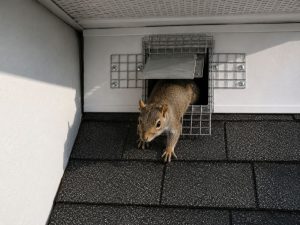
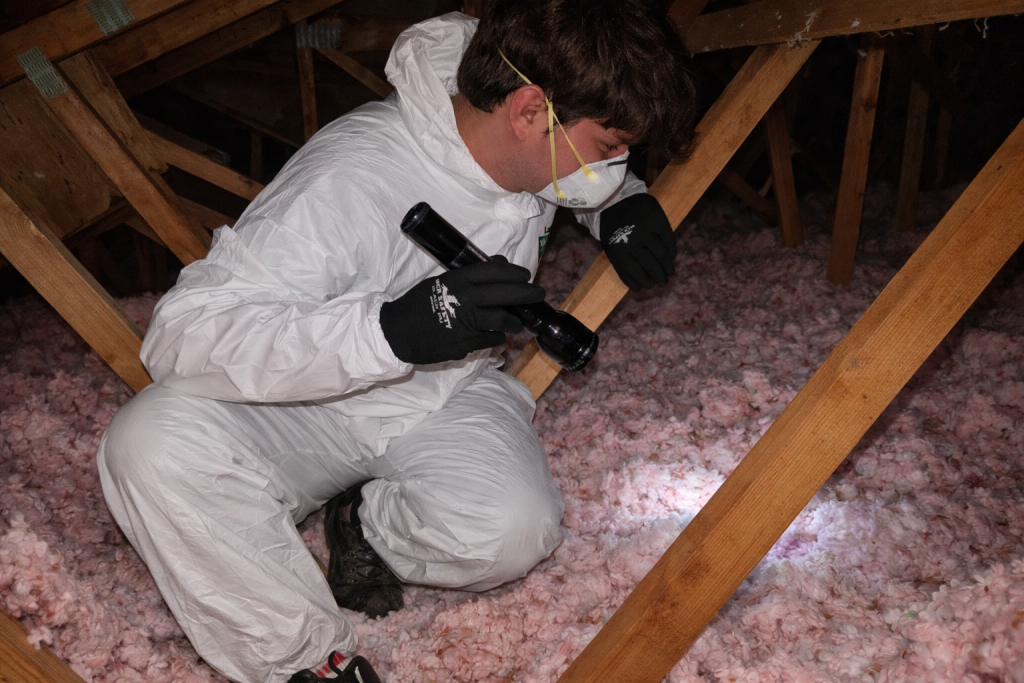
Removing raccoons from an attic is only the first step. Proper cleanup and repair are essential to restore the space and prevent future problems. Professional wildlife removal services start with a full inspection to identify entry points and assess the level of damage. Humane exclusion methods are used to allow raccoons to leave safely. Once the animals are gone, contaminated insulation may be removed, and the area is sanitized to eliminate bacteria and odours. Entry points are then sealed with durable materials to ensure raccoons cannot return. This complete approach protects the home and helps avoid repeat infestations.
Protect Your Home With Niagara Wildlife Removal
If you suspect raccoons have been in your attic, it is important to act quickly. The damage they cause can worsen over time and lead to expensive repairs. Niagara Wildlife Removal specializes in humane raccoon removal, attic inspections, and professional exclusion work. Our team identifies how raccoons are getting in, removes them safely, and secures your home to prevent future issues.
Ignoring the problem can allow damage to spread and increase costs. Taking action early can protect your home and restore your attic to a safe condition. Contact Niagara Wildlife Removal today to book an inspection and address raccoon damage before it becomes a bigger problem.