Homeowners across Niagara are often surprised to learn that more than one type of squirrel can end up living in their attic. While the eastern grey squirrel is the species most people recognize, red squirrels are also common throughout Ontario and can be even more destructive once they find their way inside a home.
Although both species are capable of damaging roofs, insulation, and vents, they behave differently and create different challenges for homeowners. Understanding the differences between red squirrels and grey squirrels can help you identify which animal has moved into your attic and why professional removal is often the safest and most effective solution.
If you’re hearing scratching noises above your ceiling or seeing squirrels running across your roof, here’s what you should know.
The Two Most Common Attic Invaders
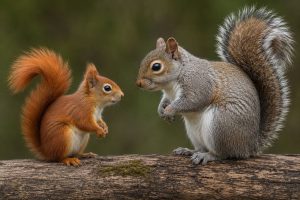
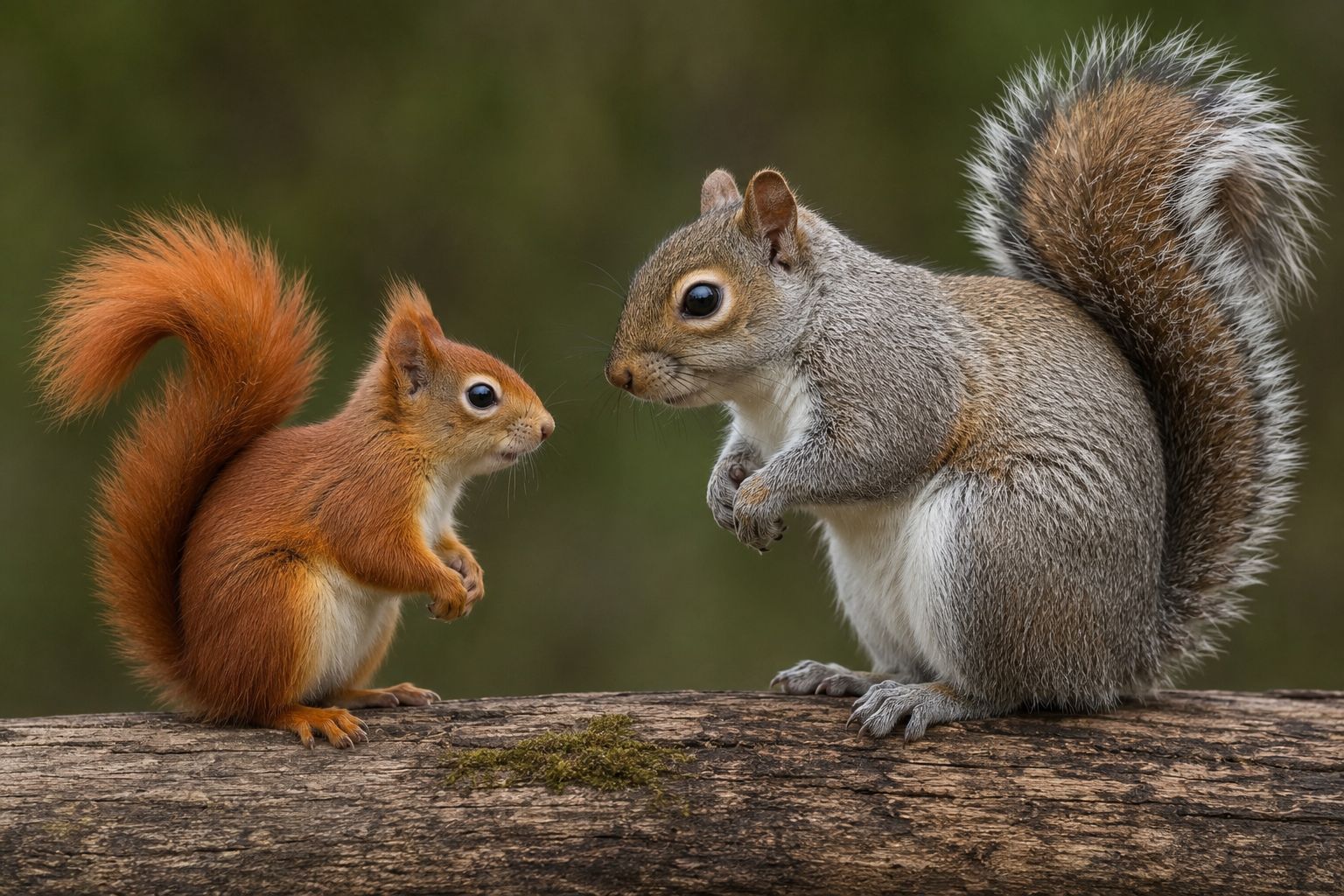
Ontario is home to several squirrel species, but two are responsible for the vast majority of attic infestations. The eastern grey squirrel is the larger and more familiar species. Despite its name, it may have grey, brown, or even black fur. Black squirrels are extremely common throughout Niagara and are simply a colour variation of the eastern grey squirrel rather than a separate species.
Red squirrels are much smaller, with reddish-brown fur, white undersides, and a noticeably more compact build. They are extremely energetic, territorial, and known for their constant vocalizations. While both species seek shelter in attics, they often arrive for different reasons and leave different types of damage behind.
Size Differences
One of the easiest ways to distinguish between the two species is their size. Grey squirrels typically measure 40 to 50 centimetres long, including their large bushy tail, and can weigh between 400 and 700 grams. Red squirrels are considerably smaller, usually measuring about 28 to 35 centimetres long and weighing only 200 to 300 grams.
This size difference affects how they enter homes. Grey squirrels generally require larger openings, while red squirrels can squeeze through surprisingly small gaps in soffits, rooflines, or vents. A hole that seems too small to allow wildlife inside may be large enough for a determined red squirrel.
Where They Live Around Niagara
Grey squirrels thrive in residential neighbourhoods throughout Niagara Falls, St. Catharines, Welland, Fort Erie, and surrounding communities. They are commonly seen in mature deciduous trees, city parks, suburban backyards, and neighbourhoods with large maples and oak trees.
Red squirrels are more frequently associated with evergreen forests but are also found in many residential areas, especially homes bordering wooded lots or conservation areas. Homes located near mature trees are attractive to both species because branches provide easy access to rooftops.
Why Both Species Choose Attics
Regardless of species, squirrels enter homes for the same basic reasons. An attic provides warmth, shelter from predators, protection from rain and snow, and an excellent place to build a nest. Female squirrels often move indoors before giving birth because attic spaces offer a safer environment than tree nests.
During Niagara’s cold winters, insulated attics remain much warmer than outdoor nests. Even during spring and fall, an attic provides consistent protection from changing weather conditions. Once a squirrel discovers a reliable nesting site, it may return season after season if the entry point is not properly repaired.
Red Squirrels Tend to Be More Aggressive
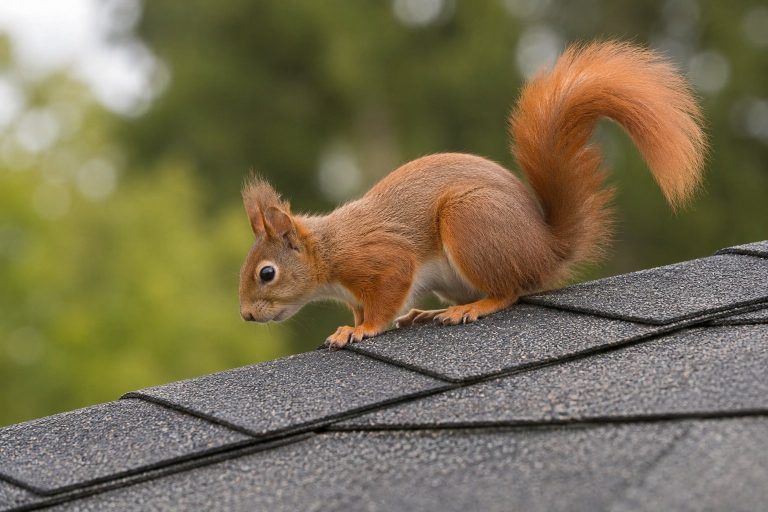
Although they are smaller, red squirrels often display much more aggressive behaviour than grey squirrels. Red squirrels are highly territorial and frequently defend their nesting areas by chattering loudly, stamping their feet, and chasing away other squirrels. Inside an attic, this means homeowners may hear frequent vocalizations in addition to scratching and running noises. Grey squirrels are generally quieter and less confrontational, although they still create significant noise as they move around above ceilings. If you’re hearing constant chattering throughout the day, there’s a good chance a red squirrel is responsible.
Both Species Cause Similar Damage
Whether you have a red squirrel or a grey squirrel, the damage they leave behind can be extensive. Their teeth grow continuously throughout their lives, forcing them to chew regularly to keep them worn down. Unfortunately, homes provide plenty of materials for this behaviour. Squirrels commonly chew:
- Roof vents
- Soffits
- Fascia boards
- Roof decking
- Wood framing
- Plastic vent covers
- Electrical wiring
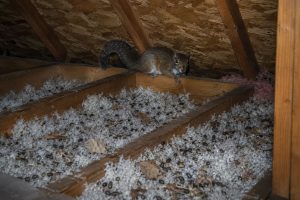
Once inside the attic, they also disturb insulation while creating nesting areas. Over time, contaminated insulation loses much of its insulating value and may require replacement.
Entry Points Can Vary
Grey squirrels often target larger roof openings. Damaged roof vents, loose soffits, deteriorated fascia boards, and roofline gaps are common access points.
Red squirrels can exploit much smaller defects. A narrow construction gap, loose flashing, or tiny opening around utility penetrations may be all they need to enter. Because of this, red squirrel entry points can be more difficult for homeowners to locate without a professional inspection.
Activity Patterns
Both species are active during the day rather than at night. Homeowners usually hear squirrels shortly after sunrise and again during the late afternoon. You may notice:
- Running across the ceiling
- Scratching inside walls
- Chewing noises
- Rolling sounds from nuts or stored food
- Brief periods of loud activity followed by silence
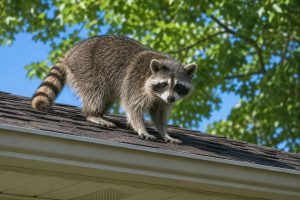
Because squirrels are diurnal animals, nighttime noises are often caused by raccoons rather than squirrels. Recognizing when the sounds occur can help identify the type of wildlife involved.
Nesting Habits
Grey squirrels typically build larger nests using insulation, leaves, paper, and other soft materials. Red squirrels often create smaller nests but compensate by storing large amounts of food nearby.
It is common for wildlife technicians to find pine cones, acorns, walnuts, seeds, and other food caches inside attics occupied by red squirrels. These stored food supplies can attract insects and create additional cleanup requirements once the squirrels have been removed.
Baby Season
Both species produce young during the year, although exact timing varies depending on weather conditions. In Ontario, squirrels commonly give birth during late winter or early spring, followed by a second breeding period in mid-to-late summer.
This means wildlife removal during these seasons requires additional care. Removing the adult squirrel without locating the babies can separate the family and leave young animals trapped inside the attic. Professional wildlife removal companies use humane methods that account for breeding seasons while ensuring mothers and babies remain together whenever possible.
Which Species Causes More Damage?
Both squirrels are capable of causing serious structural damage. Grey squirrels tend to create larger entry holes because of their size. They may remove sections of soffit or chew sizable openings in roof vents. Red squirrels often create smaller holes but may cause more continuous chewing damage over time because of their persistent behaviour.
Neither species should be considered harmless once inside a home. Even a single squirrel can contaminate insulation, damage wood, chew electrical wiring, and create expensive repair bills.
Why DIY Removal Often Doesn’t Work
Some homeowners attempt to block the entry hole after seeing a squirrel leave. Unfortunately, this can trap animals inside the attic or separate mothers from their babies. Others attempt to frighten squirrels away using loud noises, bright lights, or commercial repellents. These methods rarely solve the problem because the squirrels have already identified the attic as a safe nesting location. Without repairing the damaged entry point, another squirrel will often move in shortly after the original animals leave.
Professional Humane Squirrel Removal
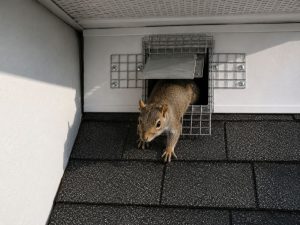
The most effective solution begins with a complete inspection of the roof and attic. Professional wildlife removal usually starts with an inspection so a technician can identify active entry points and determine whether squirrels, or another wildlife species is responsible. Humane one-way doors are installed over the primary entry hole, allowing squirrels to leave while preventing them from returning.
If baby squirrels are present, technicians use specialized removal techniques that allow the family to reunite safely before permanent repairs are completed. Once the attic is confirmed empty, damaged vents, soffits, fascia boards, and roofline openings are repaired using durable wildlife-resistant materials. This approach not only removes the current infestation but also helps prevent future squirrel problems.
Preventing Future Squirrel Infestations
Preventative maintenance is one of the best ways to keep squirrels out of your home. Annual roof inspections can identify damaged vents, loose soffits, deteriorated fascia boards, and small construction gaps before squirrels discover them.
Tree branches that extend directly over the roof should also be trimmed back where practical, reducing easy access to vulnerable areas. Homes that receive regular exterior inspections are far less likely to experience recurring squirrel infestations.
Contact Niagara Wildlife Removal
Whether you’re dealing with an energetic red squirrel or a larger grey squirrel, both species can cause significant damage once they enter your attic. Early removal helps prevent expensive repairs and protects your home from further wildlife activity.
Niagara Wildlife Removal provides professional, humane squirrel removal services throughout Niagara Falls and the surrounding region. Our experienced technicians perform detailed inspections, safely remove squirrels using humane exclusion methods, repair wildlife entry points, and install long-lasting preventative protection.
If you’ve noticed squirrels on your roof or are hearing scratching noises in your attic, contact Niagara Wildlife Removal to schedule a professional inspection and keep your home protected year-round.