Squirrels may seem harmless when they are running through trees or gathering food in your yard, but they can become a serious problem when they move into your attic. Across Niagara Falls and the surrounding region, squirrels frequently enter homes through roof vents, soffits, fascia boards, and small gaps along the roofline. Once inside, they can cause significant damage to insulation, wiring, wood framing, and other building materials.
Because squirrels are active during the day, homeowners often notice their presence sooner than they would with other wildlife species. Recognizing the signs of squirrels in your attic early can help prevent costly repairs and reduce the risk of long-term damage.
Why Squirrels Move Into Attics
Attics provide squirrels with everything they need to survive. They offer protection from predators, shelter from harsh weather, and a safe place to raise young. During the fall and winter months, squirrels actively search for warm nesting locations. Female squirrels also seek secure areas to give birth, making attics especially attractive during breeding seasons. A single squirrel can create substantial damage in a short period of time. Once they establish a nest, they often return repeatedly unless the entry points are properly sealed.
Scratching and Running Noises During the Day
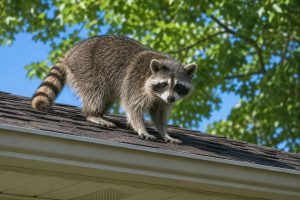
One of the most common signs of squirrels in your attic is hearing noises overhead. Unlike raccoons, which are primarily active at night, squirrels are active during daylight hours. Homeowners often hear scratching, scurrying, running, and occasional thumping sounds shortly after sunrise and again in the late afternoon.
These noises frequently occur near exterior walls, attic spaces, or ceilings. The sounds may seem to move quickly from one area to another because squirrels can travel rapidly through attic spaces. If you consistently hear activity during the daytime, squirrels are often the likely culprit.
Sounds Increase During Baby Season
Squirrel activity can become more noticeable during breeding periods. In Ontario, squirrels typically have two breeding seasons each year. The first occurs in late winter and early spring, while the second usually takes place during the summer.
When babies are present, homeowners may hear additional sounds such as chirping, squeaking, or soft crying noises coming from the attic. Mother squirrels are extremely protective of their young and may become more active as they gather food and nesting materials.
Visible Entry Holes Around the Roofline
Squirrels can fit through surprisingly small openings. They often exploit existing gaps around roof structures but are also capable of creating their own entry points. One of the clearest signs of a squirrel problem is discovering a hole along the roofline. Common entry locations include:
- Roof vents
- Soffits
- Fascia boards
- Gable vents
- Roof intersections
Fresh chewing marks around these openings often indicate active squirrel activity. You may also notice wood shavings or debris below the damaged area. Because squirrels have powerful teeth that continuously grow, they regularly chew on wood and building materials to maintain them.
Damaged Roof Vents
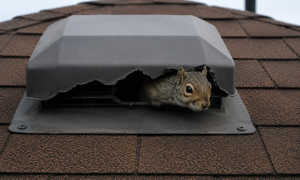
Roof vents are among the most common squirrel entry points in Niagara homes. Plastic roof vents are particularly vulnerable because squirrels can chew through them relatively easily. Even metal vents can become damaged if they are not properly protected.
From the ground, damaged vents may appear bent, cracked, or partially collapsed. In some cases, homeowners only discover the damage after hearing noises in the attic. Professional wildlife inspections often reveal roof vent damage that is difficult to see from street level.
Nesting Materials in the Attic
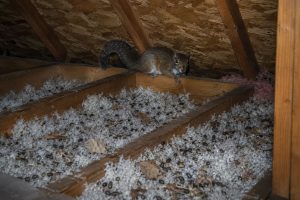
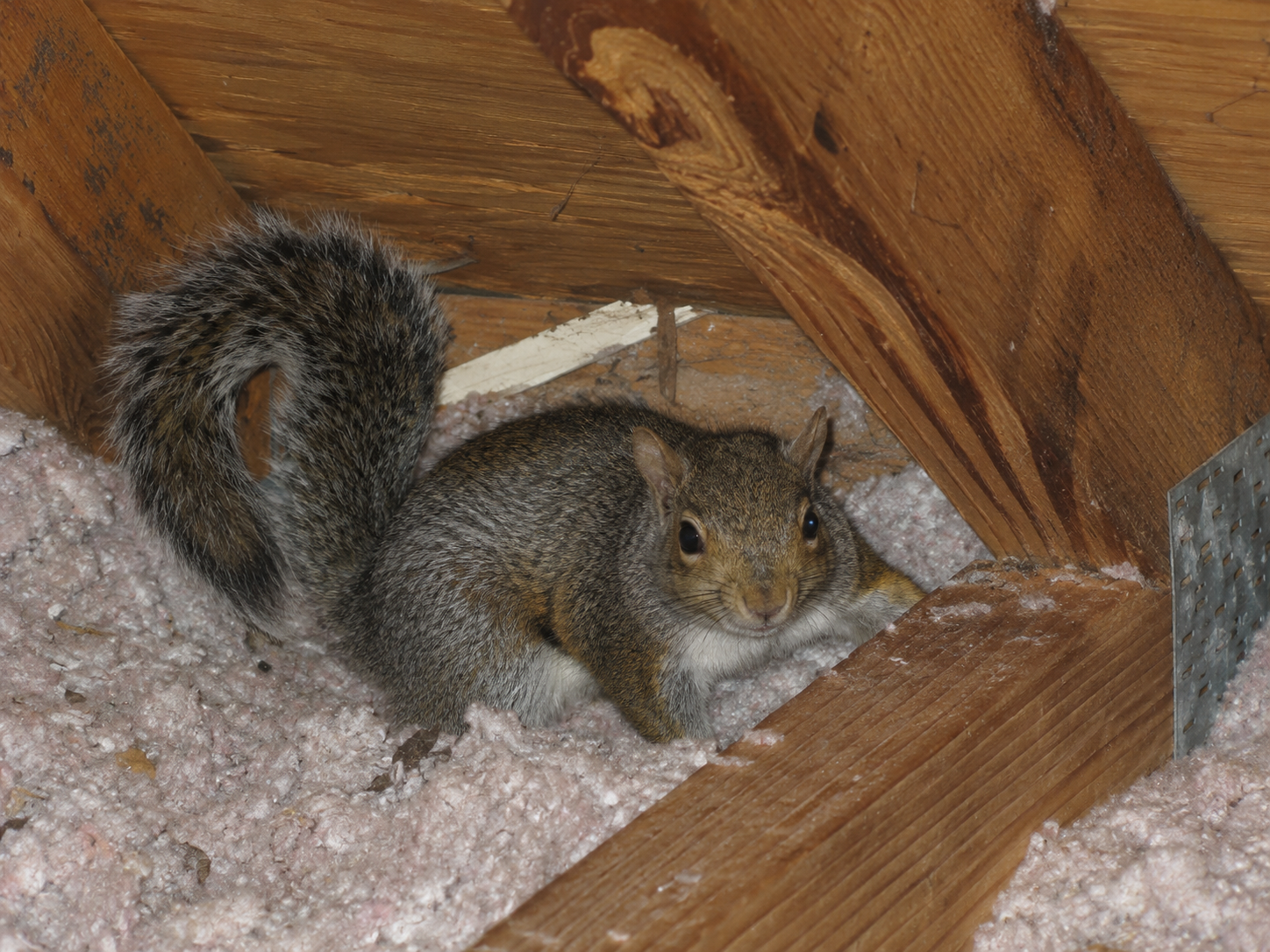
Once inside, squirrels begin creating nests. They gather materials from both inside and outside the home, including insulation, leaves, twigs, paper, and other soft materials. If you inspect your attic and notice piles of shredded insulation or organized nesting areas, squirrels may be responsible. Nests are often built in corners, near roof peaks, or between rafters where they remain protected and hidden. The longer squirrels remain in the attic, the larger and more established these nesting areas become.
Chewed Wires and Wood
One of the most serious risks associated with squirrels in attics is their tendency to chew. Squirrels chew continuously because their teeth never stop growing. Unfortunately, they do not distinguish between natural materials and household components.
Electrical wiring is a common target. Chewed wires can expose live electrical conductors, increasing the risk of shorts, electrical failures, and even house fires. Many homeowners do not realize the extent of the damage until an electrician discovers it. Squirrels may also chew roof framing, support beams, vent pipes, and other structural materials.
Droppings in the Attic
Another sign of squirrel activity is the presence of droppings. Squirrel droppings are typically small, dark, and oval-shaped. They are often found near nesting sites or frequently travelled pathways within the attic.
Accumulations of droppings can create sanitation concerns and contribute to unpleasant odours over time. If droppings are present, it is important to avoid direct contact and have the area professionally assessed and cleaned after the squirrels are removed.
Squirrels Seen Entering or Leaving the Roof
Sometimes the clearest sign of an infestation comes from direct observation. If you regularly see squirrels climbing onto your roof or disappearing into a specific area, there is a strong possibility they are using that location as an entry point.
Many homeowners first notice squirrels entering near roof vents or soffits during the early morning. Watching the roofline from a safe distance can often help identify active entry locations.
Increased Activity Around Trees Near the House
Trees provide easy access to many roofs. Branches that extend close to the home allow squirrels to jump directly onto roofing materials. Homes with overhanging branches often experience a higher rate of squirrel intrusions.
If you frequently see squirrels travelling between nearby trees and your roof, it may indicate that your home is at risk. While trimming branches can help reduce access, it rarely solves an existing attic infestation without additional exclusion work.
Strange Odours in the Attic
As squirrels occupy an attic for longer periods, odours may begin to develop. Urine, droppings, nesting materials, and food caches can all contribute to unpleasant smells. In some cases, dead squirrels or abandoned nests create stronger odours that spread into living areas below. While odours alone do not confirm squirrel activity, they often accompany other signs of an established infestation.
Why DIY Removal Often Fails
Many homeowners attempt to remove squirrels themselves using repellents, noise devices, or by sealing entry holes. Unfortunately, these methods rarely solve the problem permanently.
If squirrels are trapped inside, they may cause additional damage while attempting to escape. During baby season, sealing an entry point can separate a mother squirrel from her young. Effective squirrel removal requires identifying all entry points, ensuring animals have exited, and permanently securing vulnerable areas of the home.
How Professionals Remove Squirrels From Attics
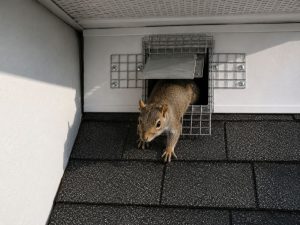
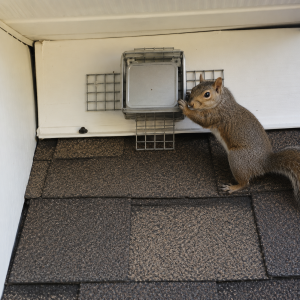
Professional wildlife removal focuses on humane exclusion techniques. Technicians begin by identifying all active entry points and confirming whether babies are present. One-way doors are then installed to allow squirrels to leave while preventing them from returning. Once all squirrels have exited, entry points are sealed using durable wildlife-proof materials.
Damaged vents, soffits, and roofline areas are repaired to prevent future infestations. This process addresses both the animals and the structural vulnerabilities that allowed them inside.
Book Professional Squirrel Removal With Niagara Wildlife Removal
If you are hearing scratching noises, noticing roof damage, or suspect squirrels may be living in your attic, it is important to address the problem before the damage becomes more extensive. Niagara Wildlife Removal provides professional squirrel removal services throughout Niagara Falls and the surrounding region. Our team specializes in humane squirrel removal, attic inspections, wildlife-proofing, and long-term prevention solutions.
The sooner squirrels are removed, the less damage they are likely to cause. Contact Niagara Wildlife Removal today to book an inspection and protect your home from attic squirrel damage.