Raccoons are one of the most common wildlife issues faced by homeowners across the Niagara Region. From Niagara Falls to St. Catharines and Welland, raccoons have adapted extremely well to residential neighbourhoods. They are intelligent, strong, and persistent, which makes them especially good at finding their way into homes.
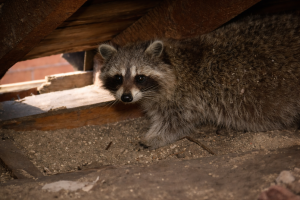
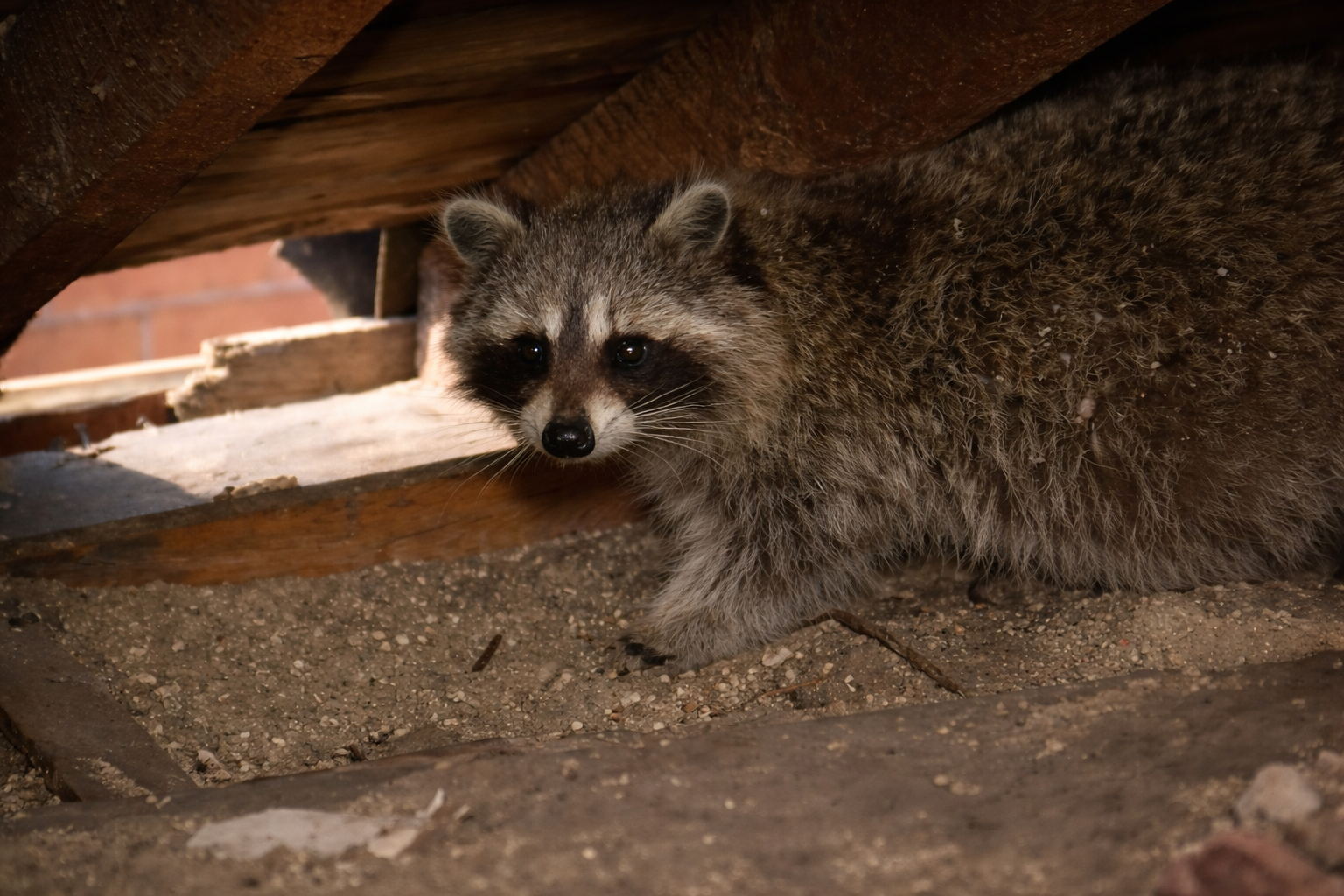
One of the most frequent calls homeowners make is after hearing heavy movement or scratching in the attic. By the time those noises are noticeable, raccoons have usually already established entry and may even be nesting inside. Understanding how raccoons get into attics can help you spot problems early and prevent serious damage.
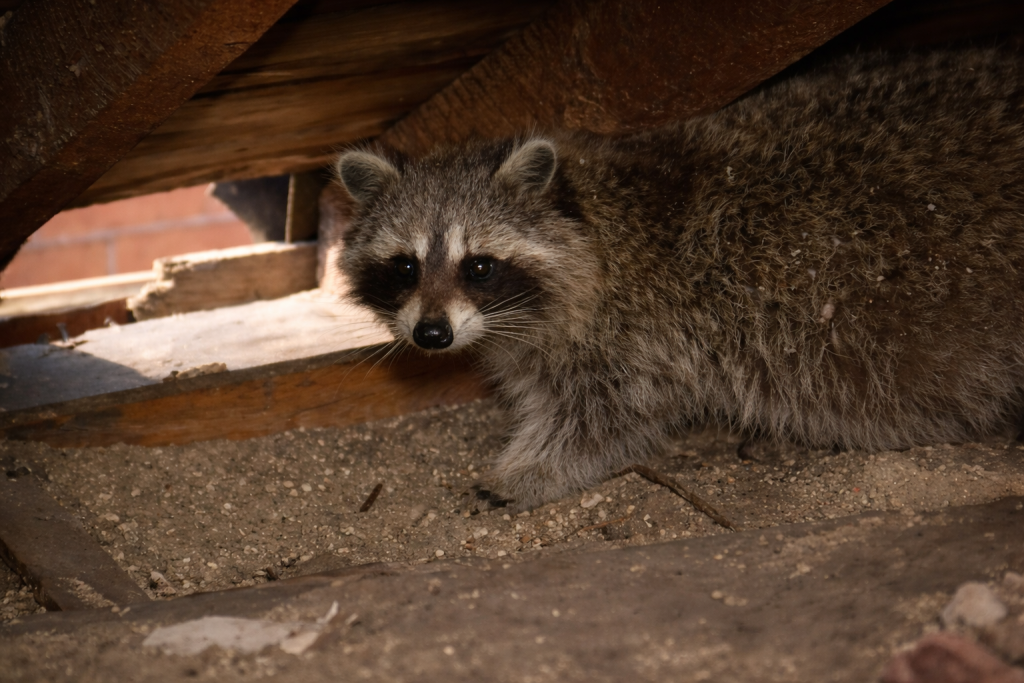
Why Attics Attract Raccoons
Raccoons are always searching for three things: shelter, warmth, and safety. Attics provide all three. In Niagara’s climate, especially during colder months and spring breeding season, attics become ideal nesting spaces.
Female raccoons are particularly motivated to find secure places to raise their young. A quiet attic offers protection from predators and the elements. Once a raccoon finds a suitable entry point, it will often return repeatedly and may use the same location year after year if it is not properly sealed.
Their Ability to Access Your Roof
Before a raccoon can enter your attic, it needs to reach your roof. This is rarely a challenge. Raccoons are excellent climbers and can scale a wide range of surfaces.
In many Niagara homes, raccoons use downspouts as a ladder to climb straight up to the roofline. Brick walls, siding, and even corner trim provide enough grip for them to climb vertically. Trees close to the home also make access easier, allowing raccoons to jump onto the roof. Once they reach the roof, they will begin searching for weak spots or existing openings.
Roof Vents Are the Most Common Entry Point
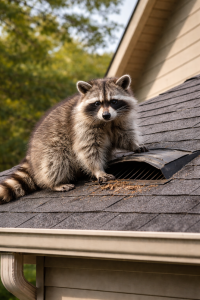
Roof vents are the number one way raccoons get into attics in Niagara homes. These vents are designed to allow airflow from the attic but are often made with lightweight materials that are not built to withstand wildlife.
Raccoons will pry, claw, and bite at these vents until they break open. Once the cover is damaged, they can easily widen the opening and enter the attic.Homeowners may not notice this damage right away because it often occurs on the back side of the roof or in areas that are not easily visible from the ground. By the time the issue is discovered, the raccoon may already be living inside.
Soffits and Roof Edges
Soffits are another common entry point. These are the panels located under the roof overhang. Over time, soffits can weaken due to weather, moisture, or age.
Raccoons take advantage of these weak spots. They can push up or tear open soffits to gain access to the attic. Even a small gap can be enough for a raccoon to start pulling materials apart until the opening is large enough. ]Roof edges where shingles meet soffits are also vulnerable. If shingles are loose or the wood underneath has begun to rot, raccoons can exploit these areas.
Existing Gaps and Construction Weak Points
Not all raccoon entries are caused by obvious damage. In some cases, raccoons find pre-existing gaps in the structure of the home. Small openings around rooflines, fascia boards, or where different materials meet can serve as starting points. Raccoons will use these gaps and apply force to expand them.
Homes that have undergone renovations or additions may also have construction gaps that were never fully sealed. These hidden vulnerabilities often go unnoticed until wildlife begins using them.
Chimneys and Uncovered Openings
Chimneys can act as entry points if they are not properly capped. While raccoons entering through chimneys is less common than roof vents or soffits, it does happen.
An uncapped chimney provides a straight path into the home. Raccoons may climb down and become trapped or use it as a denning space. Installing a secure chimney cap is one of the simplest ways to eliminate this risk.
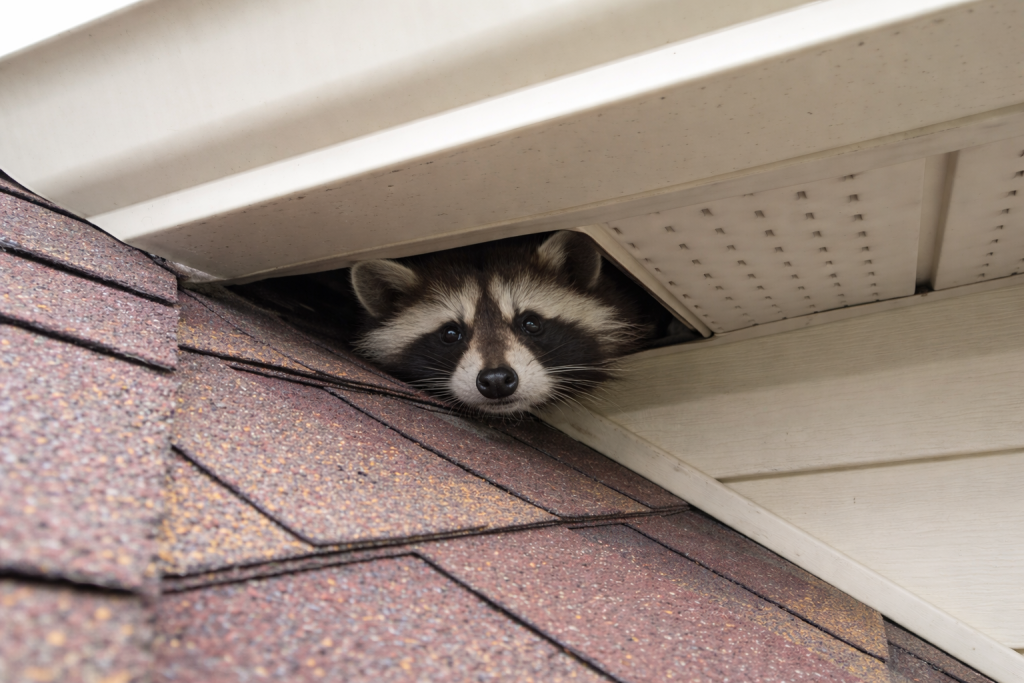
How Raccoons Create Entry Points
Raccoons are not just opportunistic, they are also destructive when necessary. If they cannot find an easy way in, they will make one. Their front paws are extremely dexterous and allow them to grip, pull, and tear materials apart. Combined with strong jaws, they can break through roofing materials, wood, and vent covers.
Unlike smaller animals, raccoons do not need a large opening to start. Once they find a weak point, they will continue working at it until they have created a full entry hole. This is why minor damage on a roof should never be ignored. What starts as a small issue can quickly turn into a major entry point.
Seasonal Patterns of Entry
Raccoon activity in Niagara homes tends to follow seasonal patterns. In late winter and early spring, female raccoons are actively searching for nesting sites. This is one of the most common times for attic intrusions. If a raccoon enters during this period, there is a strong chance babies will soon be present.
During fall and early winter, raccoons may also seek shelter from the cold. While they do not hibernate in the traditional sense, they do look for warm spaces to rest during harsh weather. Understanding these patterns can help homeowners stay alert during high-risk times of year.
Why Raccoons Keep Coming Back
Once a raccoon successfully enters an attic, it often returns to the same spot. Raccoons have strong memories and will revisit locations they know are safe.
If an entry point is not properly sealed after removal, another raccoon will likely find and reuse it. This is one of the most common reasons homeowners experience repeat infestations. Temporary fixes or basic repairs are usually not enough. Proper wildlife-proofing requires durable materials designed to withstand future attempts.
The Risks of Ignoring Entry Points
Allowing raccoons to enter your attic can lead to significant problems. Beyond the noise, raccoons can cause extensive structural damage and contamination. They tear insulation, damage wood, and create nesting areas that reduce the efficiency of your home. Their droppings and urine can create strong odours and pose health risks.
If babies are present, the situation becomes more complex. Removing raccoons without addressing the young can lead to further complications inside the attic. Acting early is the best way to avoid these issues.
Professional Raccoon Removal and Prevention
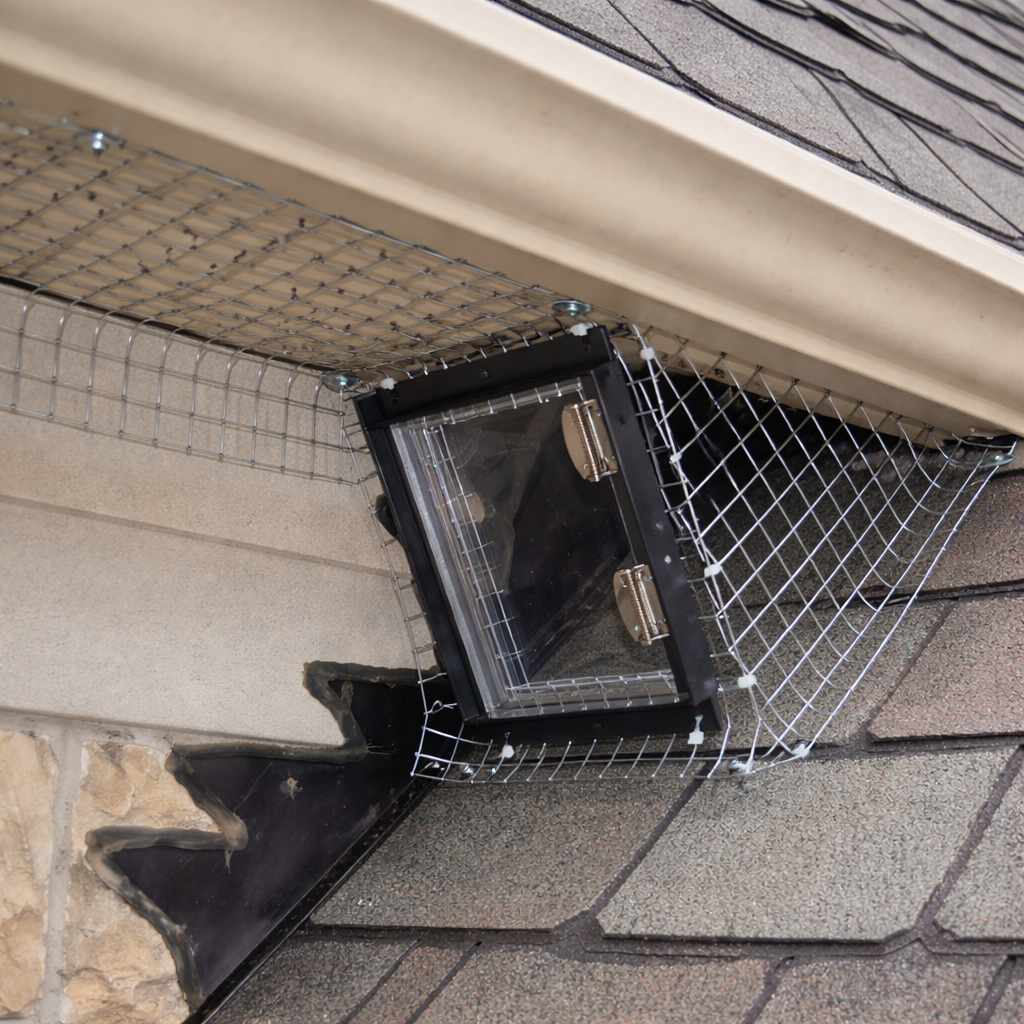
Removing raccoons from an attic is only part of the solution. Preventing them from coming back is just as important. Professional raccoon removal involves a full inspection of the home to identify how raccoons are getting in. Once the entry point is confirmed, a one-way door is installed to allow the raccoon to leave safely.
After the animal has exited, the entry point is sealed using durable materials such as steel vent covers or reinforced screening. This ensures the same area cannot be used again. This process is safe, humane, and effective when done properly.
Protect Your Niagara Home From Raccoons
If you are hearing noise in your attic or have noticed damage on your roof, it is important to act quickly. Raccoons are persistent, and the longer they remain inside, the more damage they can cause.
Niagara Wildlife Removal specializes in identifying how raccoons are entering homes and stopping the problem at its source. Our team provides thorough inspections, humane removal, and professional exclusion work to protect your home long-term.
If you suspect raccoons may be getting into your attic, contact Niagara Wildlife Removal to schedule an inspection. Taking action now can prevent costly repairs and keep your home protected year-round.