Summer is one of the busiest seasons for wildlife activity throughout the Niagara Region. As temperatures rise and food becomes abundant, many animals spend more time searching for food, raising their young, and exploring new territories. While most wildlife belongs outdoors, summer often brings them much closer to residential properties than homeowners expect.
From squirrels running across rooftops to raccoons searching for shelter and skunks digging up lawns, wildlife encounters become increasingly common during the warmer months. Understanding why these animals are active around homes can help you recognize problems early and prevent expensive damage before it worsens.
If you’ve noticed unusual noises, damaged soffits, or increased wildlife activity around your property this summer, here’s what you should know.
Why Wildlife Activity Increases During Summer
Summer provides everything wildlife needs to thrive. Longer daylight hours, warm temperatures, abundant insects, ripening fruit, gardens, and easier access to food all contribute to increased animal movement.
Young animals born earlier in the year are also becoming more independent. Juvenile squirrels, raccoons, and skunks begin exploring larger areas, often leading them into residential neighbourhoods where food and shelter are readily available. For homeowners, this means wildlife is far more likely to be seen climbing roofs, crossing fences, investigating decks, or entering attic spaces during the summer months.
Squirrels Become More Active Around Rooflines
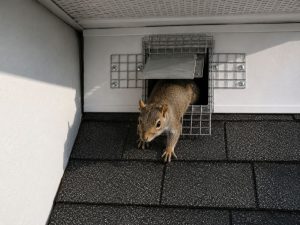
Grey squirrels and red squirrels remain active throughout the year, but summer is often when homeowners begin noticing them regularly. Trees provide easy access to rooftops, allowing squirrels to investigate roof vents, fascia boards, soffits, and construction gaps. If they discover a weak area, they may begin chewing to enlarge an opening large enough to enter the attic. Many homeowners first notice squirrels:
- Running across the roof in the morning
- Climbing nearby trees toward the house
- Entering holes beneath roof edges
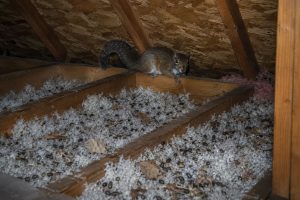
- Carrying nesting materials into the attic
- Scratching overhead during daylight hours
Because squirrels are active during the day, daytime attic noises are often one of the clearest indicators of an infestation.
Raccoons Continue Raising Their Young
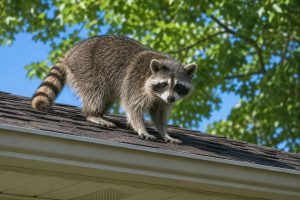
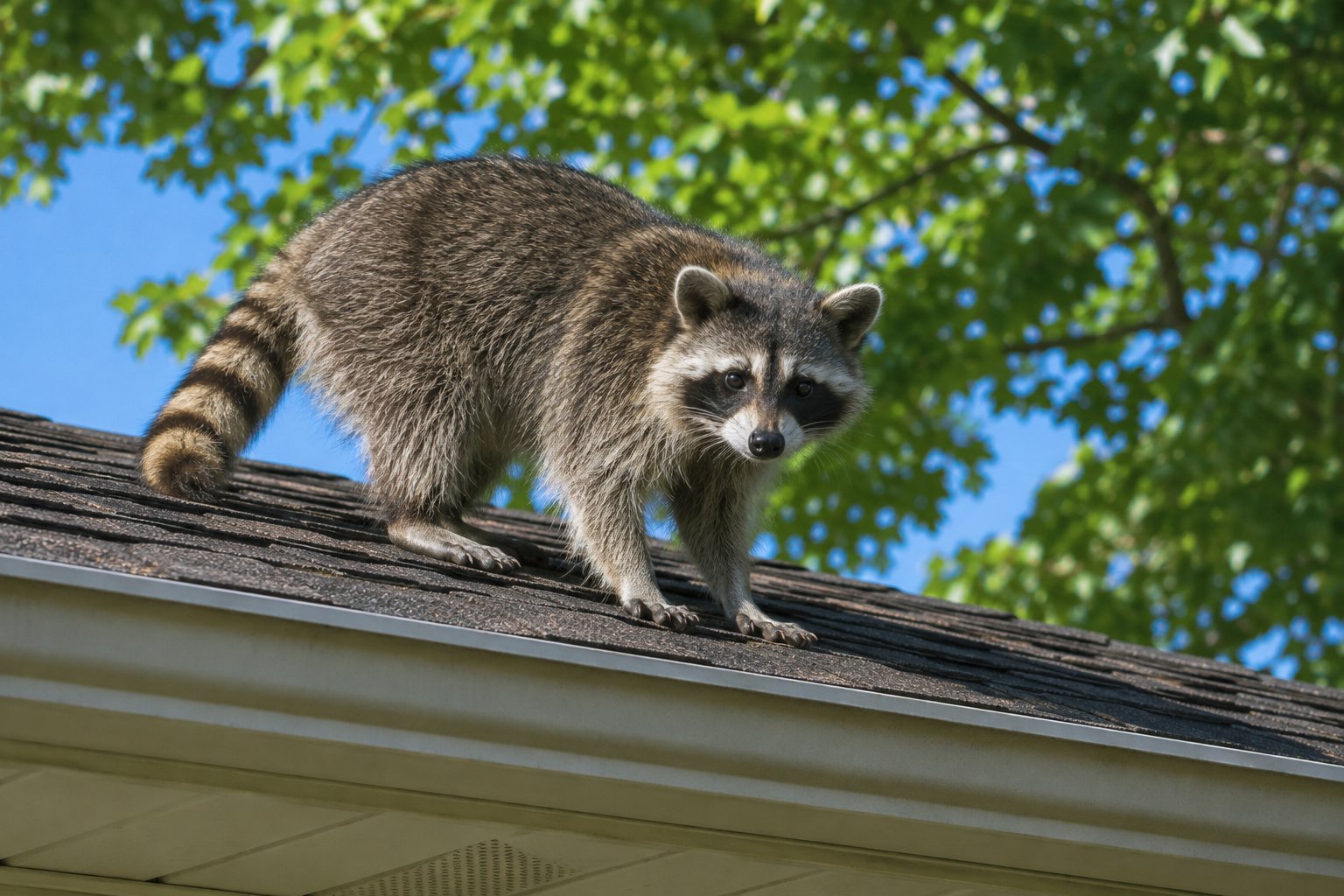
While raccoons often enter attics during the spring to have babies, many families remain around homes throughout the summer. Mother raccoons continue teaching their young how to climb, forage, and locate food. Homeowners frequently spot adult raccoons and their babies walking along fences, roofs, or trees during warm evenings.
Although the babies become more independent as summer progresses, they often remain with their mother well into the season. If raccoons are still using your attic during the summer, they can continue damaging insulation, wood framing, ductwork, and roof structures.
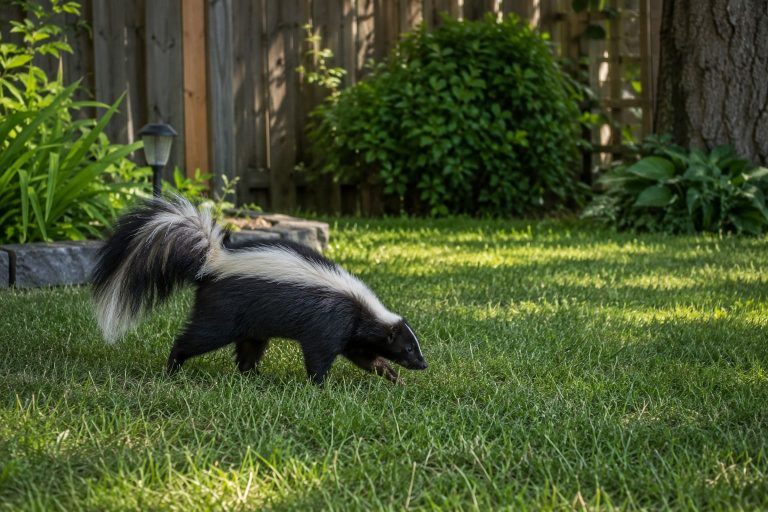
Skunks Become More Visible
Skunks spend much of the summer searching for insects, grubs, worms, and other food sources. Well-watered lawns become attractive feeding areas because the moist soil contains large numbers of insects. Signs of skunk activity include:
- Small cone-shaped holes throughout the lawn
- Turf rolled back overnight
- Frequent sightings after sunset
- Strong odours around decks or sheds
Some skunks may also seek shelter beneath porches, decks, sheds, or additions where they find cool, protected spaces during hot weather.
Birds Continue Nesting
Many bird species continue nesting into early summer, especially if previous nesting attempts were unsuccessful. Roof vents, bathroom exhaust vents, dryer vents, and soffits remain common nesting locations.
While birds themselves may not cause significant structural damage, nesting materials can block ventilation and create ideal conditions for insects, mites, and moisture problems. After nesting season ends, damaged vents should be repaired or screened to prevent future wildlife access.
Bats Are Highly Active During Summer
Summer is maternity season for bats across Ontario. Female bats gather in warm attic spaces where they raise their young.
Homeowners often notice:
- Small bats flying around the roofline near sunset
- Chirping sounds inside walls
- Droppings beneath entry points
- Staining around roof gaps
Because bats are protected under Ontario wildlife regulations during maternity season, removal often requires careful planning and proper timing. Professional wildlife inspections can determine whether bats are present and identify the safest course of action.
Chimneys and Fireplaces Can Attract Wildlife
Unused chimneys provide quiet shelter during the summer months. Raccoons, squirrels, birds, and even bats may use chimneys as temporary nesting sites.
Installing a professionally fitted chimney cap helps prevent wildlife from entering while maintaining proper ventilation. If animals are already inside the chimney, removal should always occur before installing a cap.
Wildlife Can Cause More Damage Than Homeowners Expect
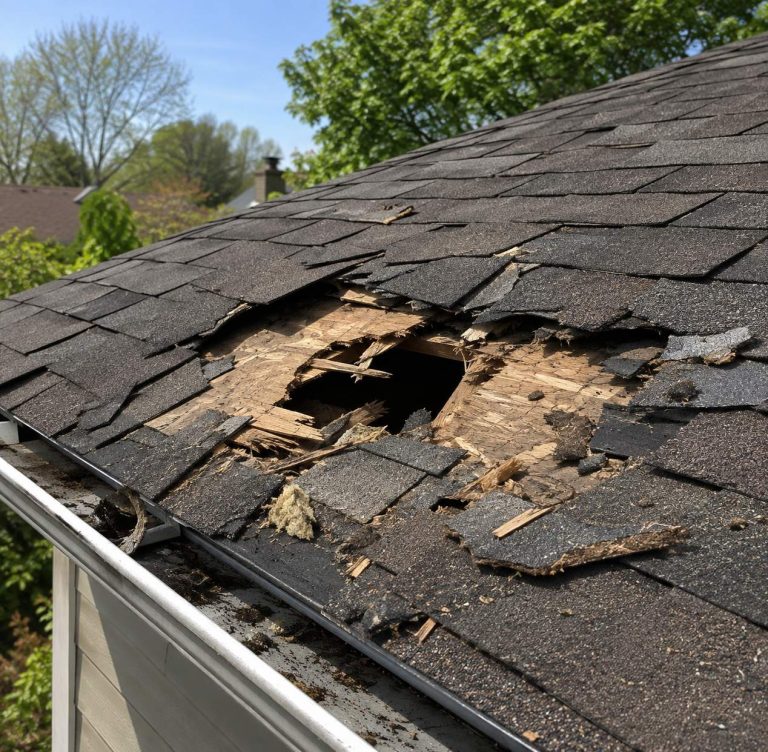
Many people assume a single squirrel or raccoon cannot cause much damage. Unfortunately, wildlife often creates significant structural problems within a surprisingly short period. Common summer damage includes chewed wood, torn soffits, damaged fascia boards, broken roof vents, shredded insulation, contaminated attic spaces, and chewed electrical wiring.
As wildlife moves in and out of the home daily, entry holes often become larger, making future repairs more extensive. The earlier wildlife problems are addressed, the easier and less expensive repairs usually become.
Why Summer Is a Good Time for Wildlife Inspections
Summer weather allows technicians to safely inspect roofs, soffits, roof vents, dormers, chimneys, and other elevated areas. Many homeowners discover developing problems during routine inspections before animals fully establish themselves inside the home. Early inspections can identify:
- Loose soffits
- Damaged roof vents
- Chewed fascia
- Small entry holes
- Construction gaps
- Areas vulnerable to future wildlife activity
Repairing these weak points before fall and winter helps prevent future infestations.
Keeping Wildlife Away From Your Home
Although wildlife cannot be eliminated from the surrounding environment, homeowners can make their property less attractive. Keeping tree branches trimmed away from the roof reduces easy access for squirrels and raccoons. Garbage containers should remain tightly sealed, especially overnight. Pet food should not be left outdoors, and fallen fruit should be removed regularly from the yard.
Routine maintenance also plays a major role. Replacing damaged soffits, repairing roof vents, securing fascia boards, and screening vulnerable openings can prevent many wildlife problems before they begin. Even well-maintained homes can eventually develop small gaps due to weather, age, and seasonal expansion. Regular inspections help identify these issues before animals do.
Why Humane Wildlife Removal Matters
When wildlife enters a home, humane removal provides the safest solution for both the homeowner and the animals. Rather than relying on trapping or harmful methods, professional wildlife removal focuses on safely allowing animals to leave while preventing them from returning.
For species like squirrels and raccoons that may have babies during the warmer months, humane techniques help keep families together whenever possible while permanently securing the home against future entry. This approach protects wildlife while providing homeowners with a long-term solution instead of a temporary fix.
Choose Niagara Wildlife Removal This Summer
If you’ve been hearing scratching noises in your attic, spotting squirrels on your roof, finding holes in your soffits, or noticing increased wildlife activity around your property, it’s best to have the problem inspected before it becomes more serious.
Niagara Wildlife Removal provides professional, humane wildlife removal services throughout Niagara Falls and the surrounding Niagara Region. Our experienced technicians inspect homes for wildlife entry points, safely remove animals using humane exclusion methods, repair damaged areas, and help prevent future infestations with long-lasting wildlife-proofing solutions.
Whether you’re dealing with squirrels, raccoons, skunks, bats, birds, or other nuisance wildlife, we have the experience and equipment to protect your home while treating wildlife responsibly.
Schedule Your Wildlife Inspection Today
Summer is one of the busiest seasons for wildlife activity, making it the ideal time to inspect your home for developing problems. Addressing small entry points before they become larger can save you from costly repairs later in the year.
If you’ve noticed wildlife around your home or suspect animals may already be inside your attic, reach out to Niagara Wildlife Removal. Our team will perform a thorough inspection, identify how animals are entering, safely remove them using humane methods, and secure your home so you can enjoy the rest of the summer with confidence.