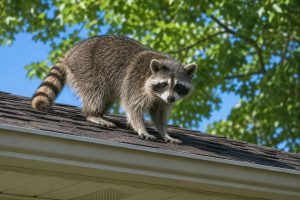
Raccoons are one of the most common wildlife animals found inside attics across the Niagara Region. While homeowners often notice the noise and damage caused by adult raccoons, the situation becomes more complex when babies are involved. Understanding when raccoon babies appear and why they are in your attic is key to handling the problem properly.
In Niagara Falls and surrounding areas, raccoon baby season follows a predictable pattern each year. Knowing this timeline can help you recognize early warning signs and avoid making mistakes that can make the situation worse.
When Raccoon Babies Are Born in Niagara
Raccoons in Ontario typically give birth once per year. The breeding season begins in late winter, and most litters are born between early March and late May. This means that spring is the most active time for raccoon problems inside attics. During this period, female raccoons are actively searching for safe, enclosed spaces where they can give birth and care for their young.
Attics provide everything they need. They are warm, dry, and protected from predators. Once a raccoon selects an attic as a den site, she will remain there while raising her babies. In some cases, births can occur slightly earlier or later depending on weather conditions, but the majority of raccoon baby activity in Niagara happens during the spring months.
Why Attics Are the Perfect Nursery
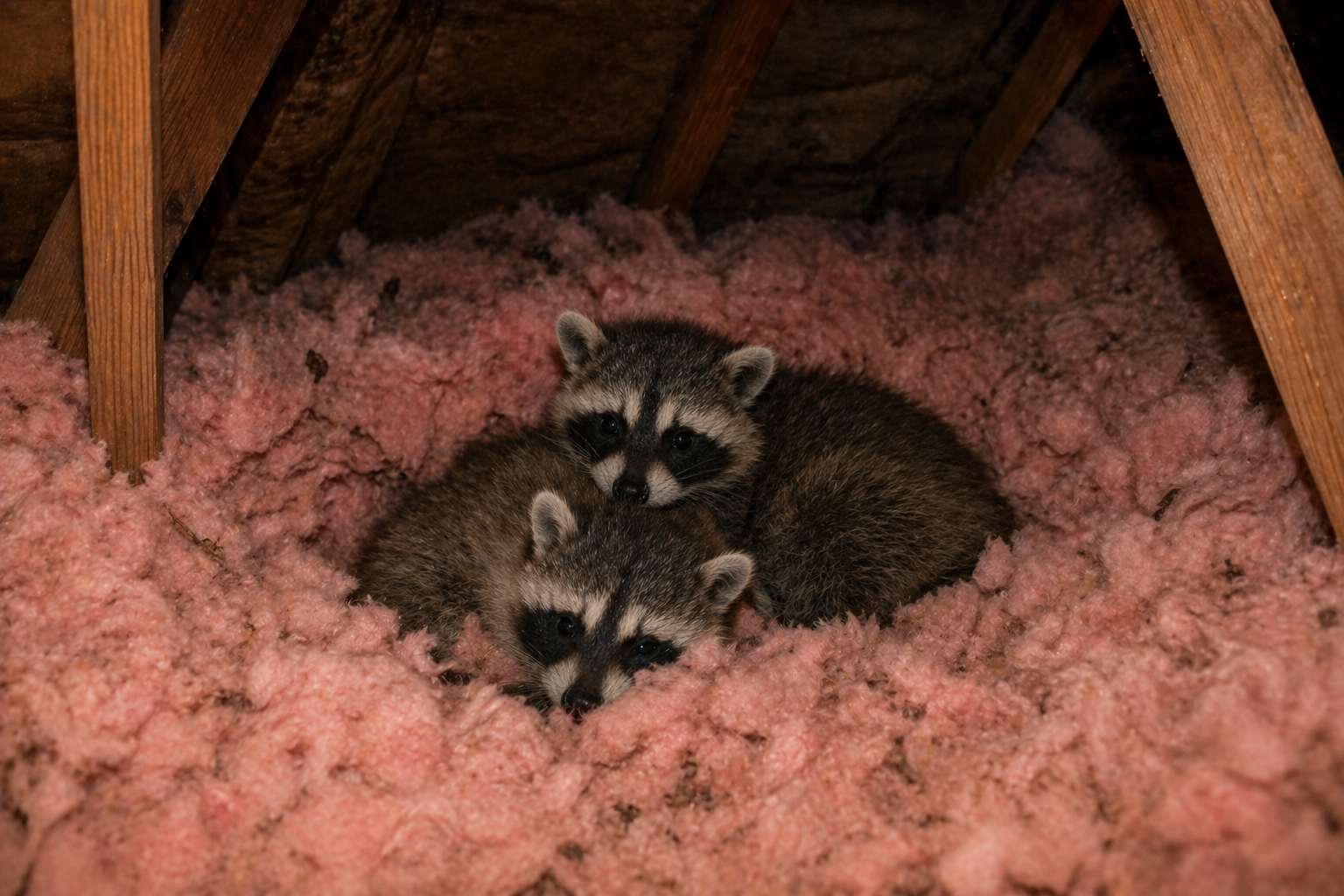
A mother raccoon is very selective when choosing a den site. The location must offer security, warmth, and minimal disturbance. Attics check all of these boxes. Heat from the home rises into the attic, creating a stable environment that protects newborn raccoons from cold temperatures. Insulation provides a soft surface that can easily be turned into a nest.
Unlike outdoor dens, attics are free from predators such as coyotes and larger animals. They also remain relatively quiet, which is important for raising young. Once babies are born, the mother raccoon becomes highly protective of the space. She will continue using the attic until the babies are old enough to leave.
How Many Babies Do Raccoons Have?
A typical raccoon litter ranges from three to five babies, although it can vary. These babies are born blind and completely dependent on their mother. For the first few weeks, they remain in the nest and make very little noise. As they grow, they begin to move around and become more vocal. Homeowners often start noticing activity when the babies are a few weeks old. This is when chirping, whining, or scratching sounds become more noticeable inside the attic.
Signs You Have Baby Raccoons in Your Attic
The presence of baby raccoons changes the behaviour of the mother and the type of activity you may notice. One of the most common signs is a combination of heavy movement and high-pitched sounds. The mother will come and go from the attic, especially at night, while the babies remain inside.
During the day, homeowners may hear soft chirping or crying noises. These sounds are often mistaken for birds at first, but they are coming from within the attic structure. You may also notice increased activity on your roof. The mother raccoon will frequently leave to find food and return to the attic, using the same entry point each time.
How Long Do Baby Raccoons Stay in the Attic?
Baby raccoons do not stay in the attic permanently, but they remain there for several weeks while they develop. Typically, they stay in the den for about eight to ten weeks. During this time, they grow stronger and begin to explore their surroundings.
Once they are mobile enough, the mother will start moving them out of the attic to new locations. This process can take several days, and during this time activity may increase as the babies become more active. Even after they leave, the damage and contamination they leave behind remain a problem that needs to be addressed.
Why You Should Not Remove Raccoons Yourself During Baby Season
Raccoon removal becomes much more complicated when babies are involved. Many homeowners attempt to block entry points or scare the raccoon away, but this can create serious issues.
If the mother raccoon is locked out while the babies are still inside, she will attempt to get back in. This can lead to more damage as she tears apart the roof or soffits trying to reach them. In some cases, the babies are left behind entirely. This leads to ongoing noise, odours, and potential health risks as they cannot survive without their mother.
Handling baby raccoons requires careful attention to ensure they are safely removed and reunited with the mother.
How Professionals Handle Raccoon Babies
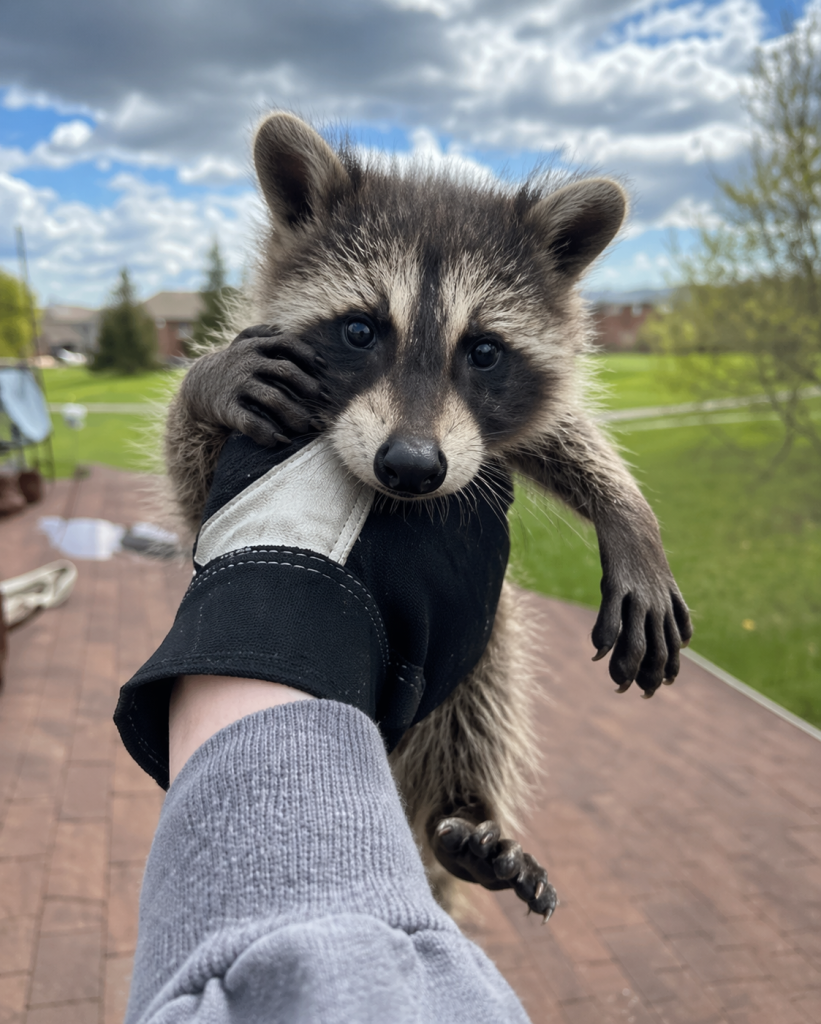
Professional wildlife removal follows a process designed to protect both the animals and the home. The first step is identifying the entry point and confirming whether babies are present. Technicians will inspect the attic and locate the nesting area. If babies are found, they are carefully removed by hand and placed in a secure container outside near the entry point. The mother raccoon will return and relocate them to a new den site.
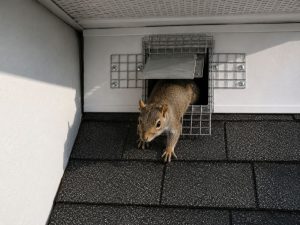
A one-way door is then installed over the entry point to allow the mother to leave but prevent her from getting back inside. Once all raccoons have vacated, the entry point is permanently sealed. This method ensures the entire family is removed safely and prevents further damage to the home.
What Happens After Raccoons Leave
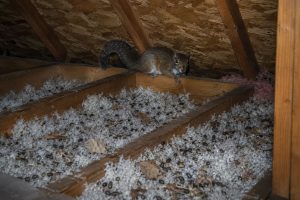
Even after raccoons and their babies have left the attic, the damage they caused remains. Insulation is often torn, compressed, or contaminated with droppings and urine. Odours may linger and spread into the home through vents and ceiling spaces.
Cleanup is an important part of the process. Depending on the severity, this may involve removing damaged insulation and sanitizing the attic space. Entry points must also be properly repaired and reinforced to prevent future raccoons from getting in.
Why Timing Matters for Homeowners
Understanding when raccoon babies appear can help homeowners respond appropriately. If you hear activity in your attic during the spring months, there is a strong chance babies are involved. Acting without considering this can make the situation worse.
Delaying action, however, also allows damage to increase. The best approach is to have the situation inspected as soon as possible so it can be handled properly. Professional removal ensures the timing is right and that no animals are left behind.
Protecting Your Home Year-Round
While raccoon baby season is the most active time for attic intrusions, prevention is important throughout the year. Regularly inspecting your roofline for damage can help catch entry points early. Installing durable vent covers and reinforcing soffits can reduce the chances of raccoons gaining access.
Keeping garbage secured and eliminating food sources around your property can also help reduce wildlife activity. Even with these steps, professional inspections provide the most reliable way to identify vulnerabilities before they become problems.
Book Raccoon Removal With Niagara Wildlife Removal
If you are hearing noises in your attic during the spring or suspect raccoons may be raising babies in your home, it is important to act quickly and carefully.
Niagara Wildlife specializes in humane raccoon removal, including situations involving baby raccoons. Our team understands the timing, behaviour, and proper methods required to remove raccoons safely while protecting your home. Attempting to handle raccoon babies on your own can lead to more damage and complications. A professional approach ensures the problem is resolved completely.
Contact Niagara Wildlife to book an inspection and safely remove raccoons from your attic.