Raccoons are one of the most common wildlife issues homeowners face in Niagara Falls. While they are often seen outdoors near garbage bins, parks, and wooded areas, many people are surprised to learn how frequently raccoons move into homes. Attics, in particular, are one of their favourite places to settle.
If you have ever heard heavy footsteps above your ceiling at night or noticed damage along your roofline, there is a strong chance raccoons may be involved. Understanding why raccoons are drawn to attics can help homeowners prevent problems before they start and act quickly when they do.
Niagara Falls Is Ideal Raccoon Habitat
Niagara Falls provides the perfect environment for raccoons to thrive. The region offers a mix of urban neighbourhoods, green spaces, water sources, and abundant food. Raccoons are highly adaptable and take advantage of everything the area has to offer.
Garbage bins, compost, pet food, and even bird feeders provide easy meals. At the same time, nearby trees, ravines, and quiet residential streets give raccoons safe places to travel and explore.
As the raccoon population grows, competition for natural den sites increases. This is one of the main reasons they begin looking at homes as alternative shelter options.
Attics Provide Warmth and Protection
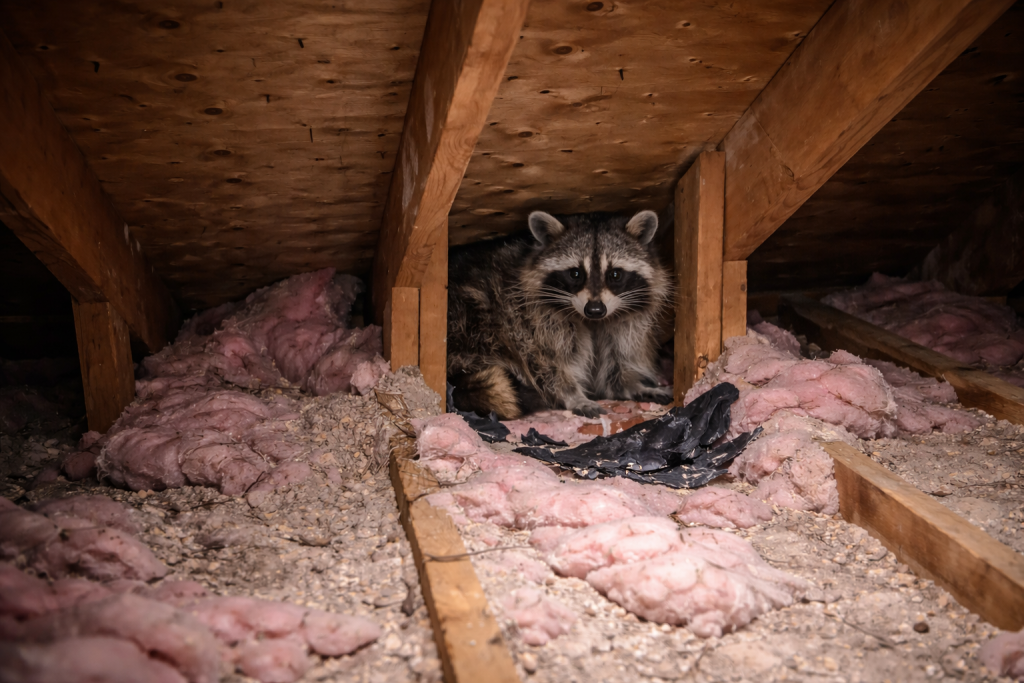
One of the biggest reasons raccoons love attics is the warmth they provide. In Niagara Falls, temperatures can drop significantly during the fall and winter months. Attics trap heat from the home below, creating a comfortable environment even during cold weather.
For raccoons, this warmth is extremely appealing. It allows them to conserve energy and stay protected from harsh outdoor conditions.
Attics also offer protection from predators and human activity. Once inside, raccoons are hidden from view and can move around without being disturbed. This sense of safety makes attics an ideal long-term shelter.
A Perfect Place to Raise Babies
Spring is one of the busiest times for raccoon activity in Niagara Falls homes. Female raccoons begin searching for safe places to give birth and raise their young.
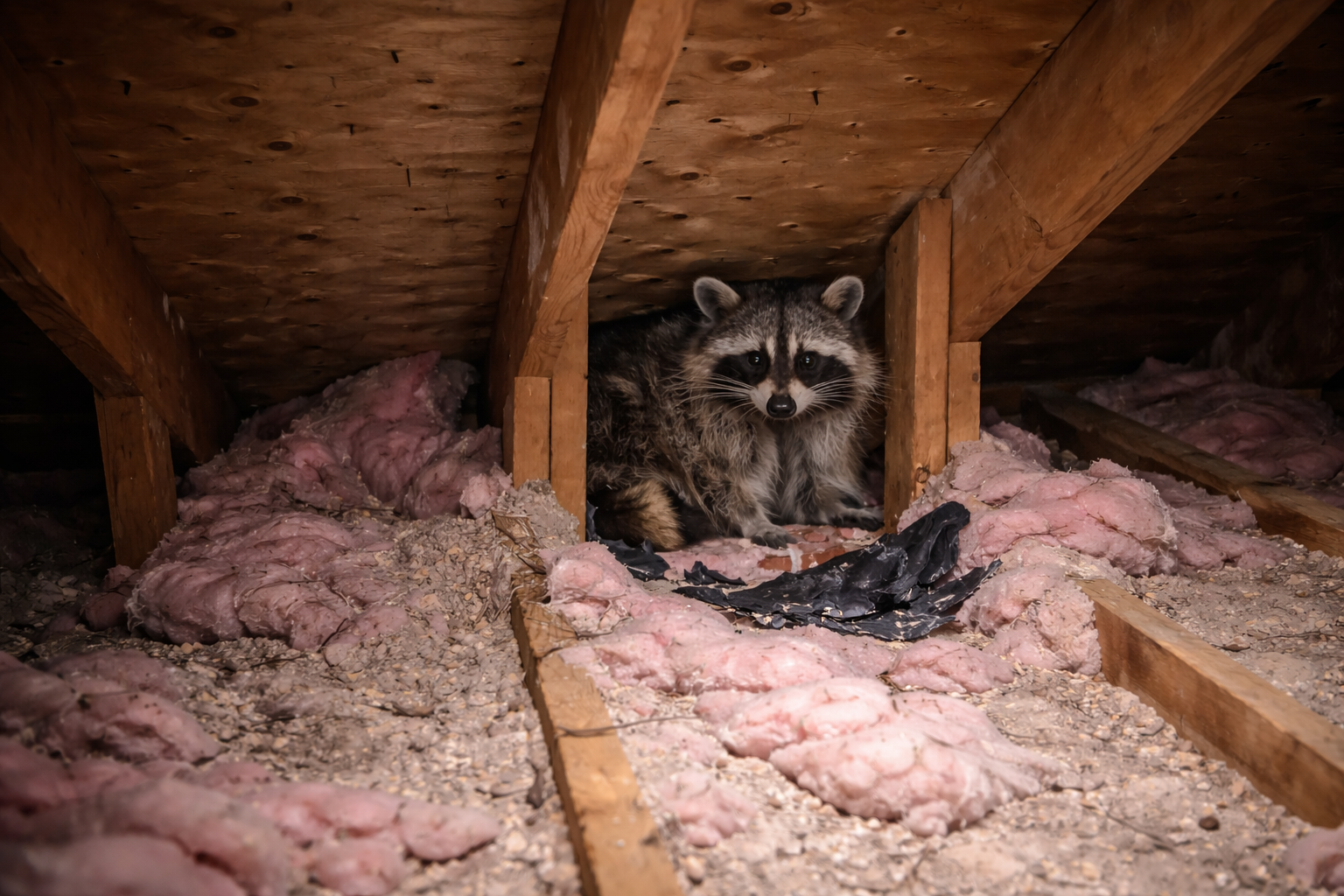
Attics are one of the most secure locations they can find. They are dry, quiet, and difficult for predators to access. Insulation provides a soft surface that raccoons can easily turn into a nest. Once babies are born, the mother raccoon becomes even more determined to stay in the attic. She will continue using the space until the young are old enough to leave.
This is why homeowners often notice increased noise during the spring months. The presence of baby raccoons adds movement, vocal sounds, and more activity overall.
Easy Access Through Common Entry Points
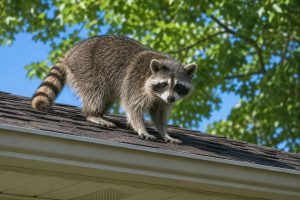
Raccoons are excellent climbers and have no trouble reaching the roof of a home. In Niagara Falls, many houses have features that make access even easier.
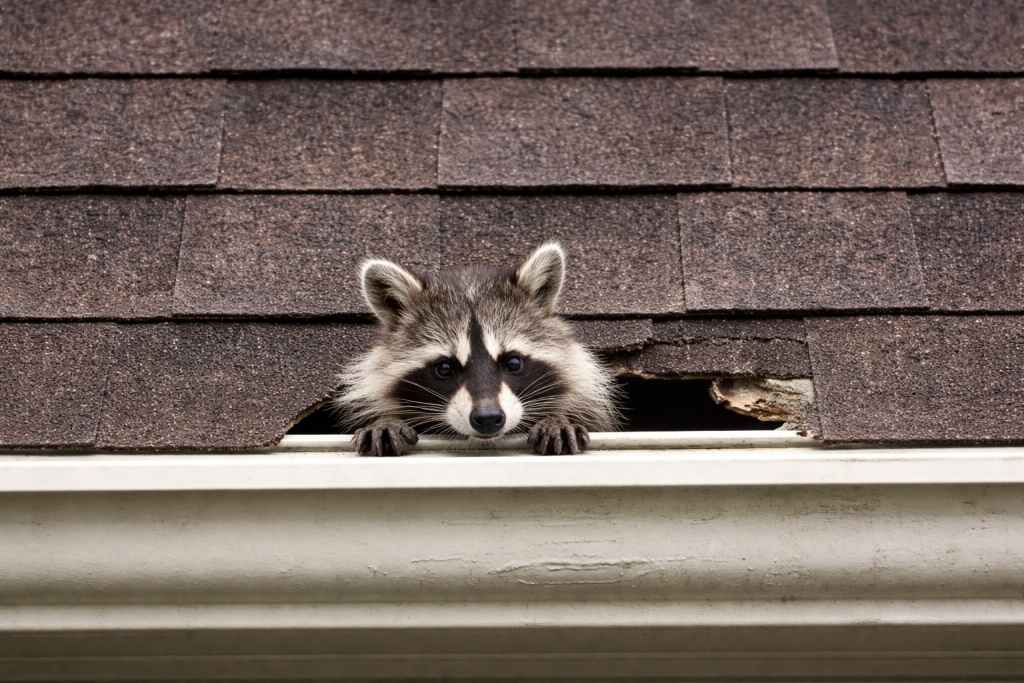
Downspouts act like ladders, allowing raccoons to climb directly to the roofline. Trees close to the home provide another pathway. Once on the roof, raccoons begin searching for weak areas where they can get inside.
Roof vents are one of the most common entry points. Many are made of lightweight materials that raccoons can easily tear open. Soffits and roof edges are also vulnerable, especially if they have been weakened over time.
Raccoons do not need a large opening to get started. If they find a small gap, they will use their strength and persistence to make it bigger.
Attics Are Quiet and Undisturbed
Another reason raccoons are drawn to attics is the lack of activity. Unlike basements or garages, attics are rarely used by homeowners. This makes them an ideal hiding spot.
Raccoons prefer areas where they can move freely without being disturbed. Once they settle into an attic, they often feel secure enough to stay for extended periods.
This can lead to a situation where raccoons remain undetected until the problem becomes more serious.
Insulation Makes Ideal Nesting Material
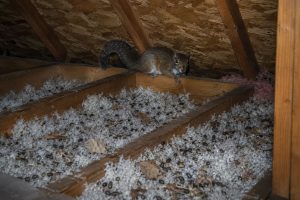
Attic insulation plays a major role in attracting raccoons. The soft, fibrous material is easy for them to move and shape into a nesting area.
Raccoons will tear apart insulation to create a comfortable space where they can rest and raise their young. Over time, this causes significant damage and reduces the effectiveness of the insulation.
As insulation becomes compressed or scattered, it can also affect the temperature regulation of your home, leading to higher energy costs.
Reliable Shelter Year After Year
Raccoons are creatures of habit. Once they find a safe and reliable shelter, they often return to it again in the future.
If a raccoon successfully uses your attic once, there is a high chance it will come back. Even if that specific raccoon does not return, others may find the same entry point and move in.
This is why proper sealing and prevention are so important. Simply removing the animal without addressing how it got in will not solve the problem long-term.
The Hidden Costs of Raccoons in Attics
While the initial signs of raccoons may seem minor, the damage they cause can become expensive quickly.
They can tear apart insulation, damage wood structures, and create entry holes that lead to water leaks. Their droppings and urine contaminate the attic space and create strong odours that can spread throughout the home.
In some cases, the damage extends beyond the attic and affects ceilings, walls, and ventilation systems. The longer raccoons remain inside, the more extensive the damage becomes.
Why Professional Removal Is Important
Raccoon removal is not as simple as getting the animal out of the attic. It requires a complete approach that addresses the root of the problem.
Professional raccoon removal begins with a thorough inspection by a wildlife technician to identify entry points and determine whether babies are present. From there, they use humane exclusion methods to allow raccoons to leave safely.
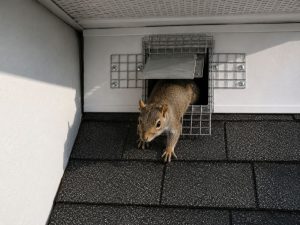
A one-way door is installed over the entry point so the raccoon can exit but cannot get back inside. If babies are present, they are carefully removed and reunited with the mother outside.
Once the raccoons are gone, the entry point is sealed with durable materials designed to prevent future access. This process ensures the problem is fully resolved and does not return.
How to Reduce the Risk of Raccoons
Homeowners in Niagara Falls can take steps to make their homes less attractive to raccoons. Regularly inspecting the roofline and repairing any damage is a good place to start. Installing strong vent covers and securing soffits can help eliminate common entry points.
Keeping garbage bins tightly sealed and removing outdoor food sources can also reduce the likelihood of raccoons being drawn to your property. Even with these precautions, professional inspections can help identify hidden vulnerabilities that may not be obvious.
Book Raccoon Removal With Niagara Wildlife Removal
If you are hearing noises in your attic or have noticed signs of raccoon activity, it is important to act quickly. Raccoons will not leave on their own, and the problem can become worse over time.
Niagara Wildlife provides expert raccoon removal services throughout Niagara Falls and surrounding areas. Our team specializes in humane removal, detailed inspections, and long-term prevention solutions that protect your home.
If you suspect raccoons are using your attic, contact Niagara Wildlife today to book an inspection and stop the problem before it gets worse.